The Retail Guide to Local Delivery and Pickup in 2026
Retailers win at local delivery and pickup in 2026 by making one clear promise at checkout and meeting it…
Insights
A 3PL suits Shopify brands shipping parcels nationwide; in-house fulfillment suits stores that want control at modest volume; local store fulfillment suits same-day delivery and pickup. Many brands combine them.
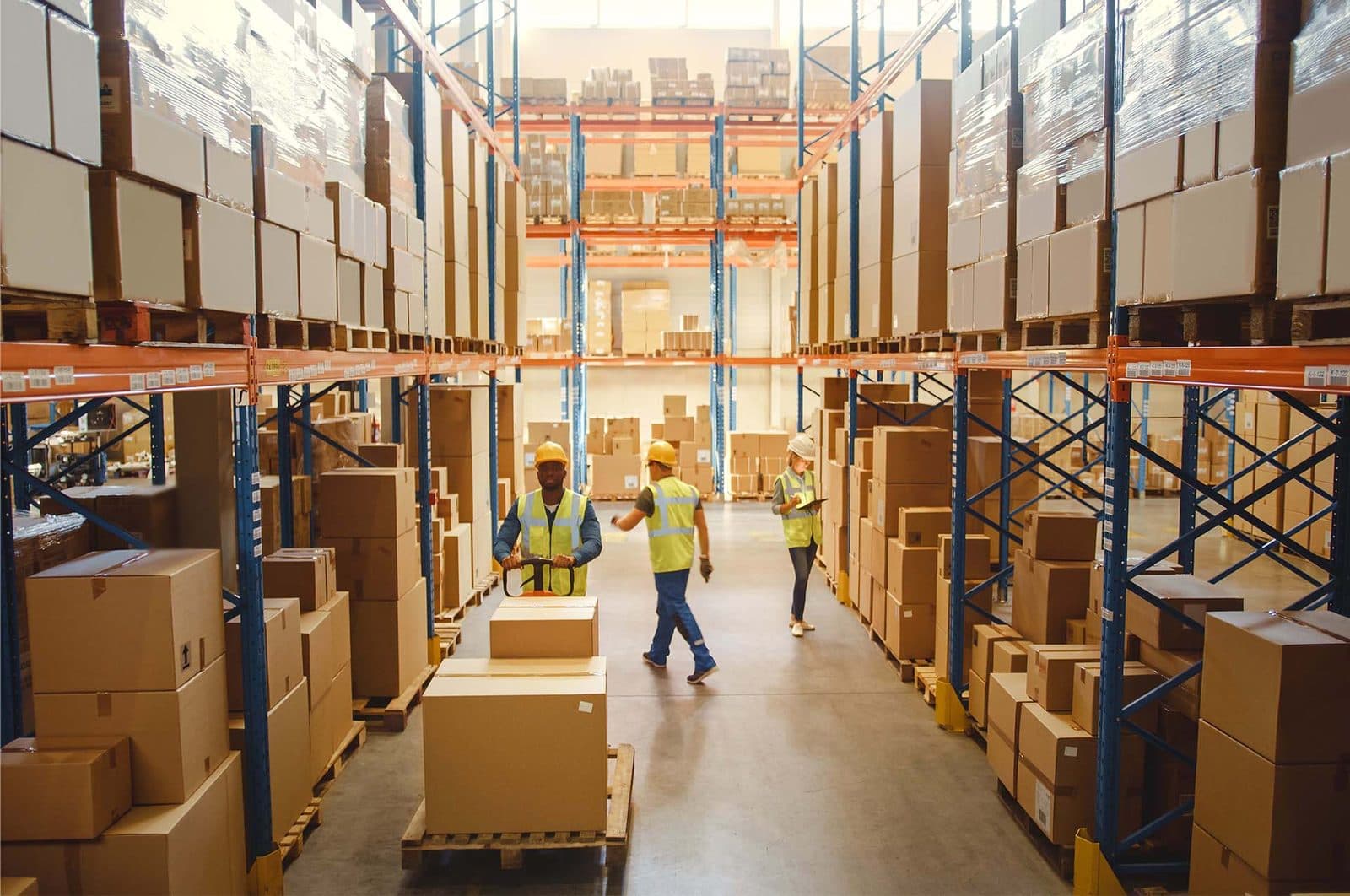
Which fulfillment solution is best for a Shopify store depends on where your customers are and how fast they expect their orders. A third-party logistics provider (3PL) suits brands shipping parcels nationwide from stock they'd rather not store themselves. In-house fulfillment suits stores that want control over packing and costs at modest volume. Local fulfillment from your own stores suits same-day delivery and pickup for nearby customers.
Many growing brands run a mix: a 3PL for national parcels, and their stores for local orders. This guide explains how each model works on Shopify, when to choose which, how to pick a 3PL, and how to run the hybrid without extra complexity.
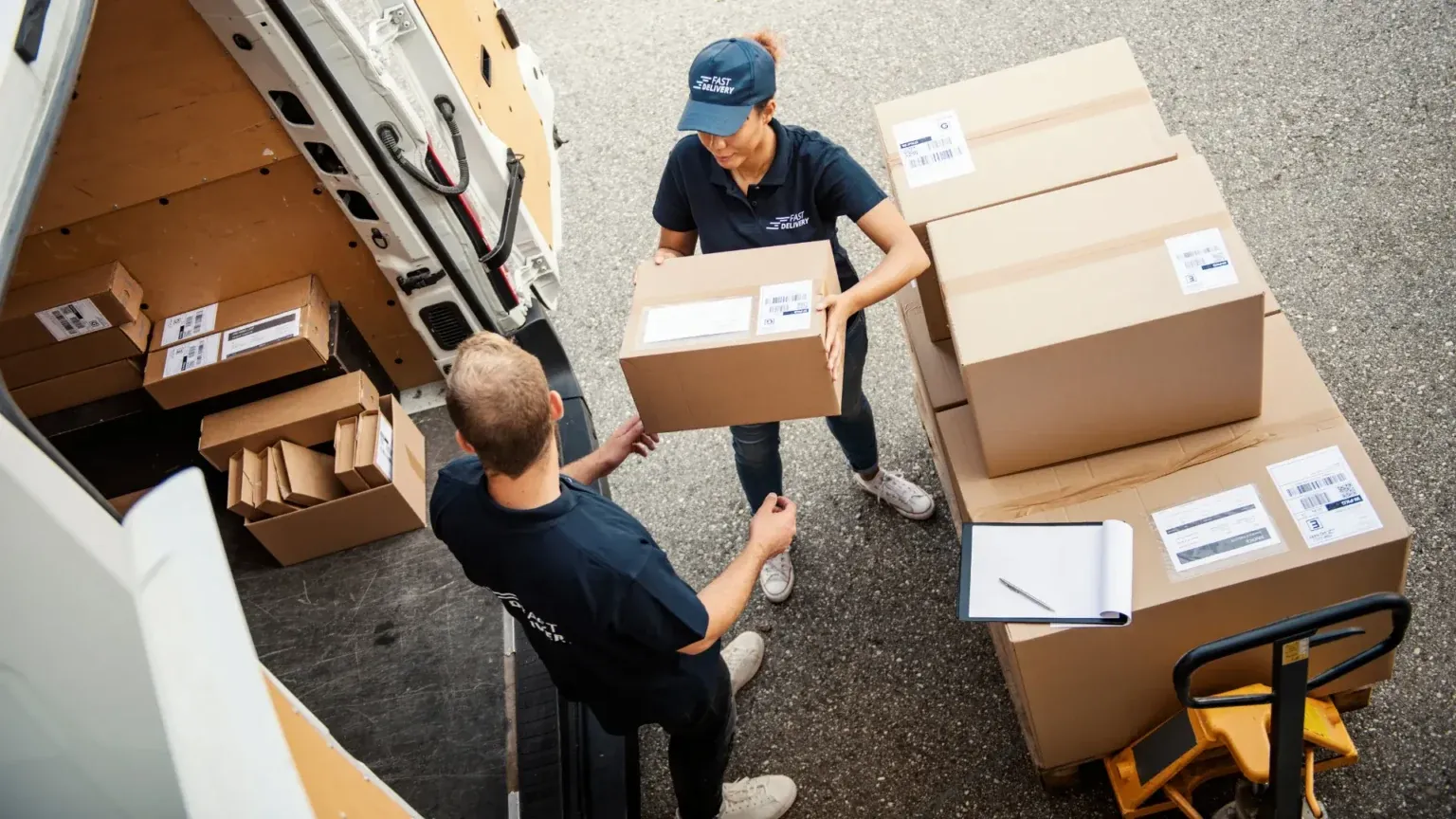
Third-party logistics (3PL) fulfillment means outsourcing storage, picking, packing and shipping to a partner. You send inventory to the 3PL's warehouse; when a customer orders, the 3PL packs the order and hands it to a carrier.
In Shopify, these partners are called fulfillment services: in Shopify's words, they "stock, fulfill, and ship orders on behalf of your store", and they connect through an app that syncs with your Shopify admin (Shopify Help Center, as of Oct 2026).
According to Shopify's help center, the flow looks like this:
The setup is straightforward. The harder decisions are whether a 3PL is right for every order, and which one to choose.
| Model | How it works | Best for | Trade-offs |
|---|---|---|---|
| 3PL fulfillment | A partner stores, packs and ships your orders | Nationwide parcel volume, limited space or staff, seasonal peaks | Less control over packing and timing; fees per order and for storage; stock sits away from your stores |
| In-house fulfillment | Your team packs and ships from your own space | Modest volume, custom or fragile products, brands that want control of packaging | You carry the space, staff and carrier management as you grow |
| Local store fulfillment | Stores prepare orders for local delivery and pickup | Same-day delivery, store pickup, perishable or bulky goods, customers near your stores | Needs accurate store stock, drivers or a pickup process, and capacity planning |
For local orders, speed is the advantage a distant warehouse can't match; we explain how to use it in local delivery for Shopify: power Amazon-level fulfillment.
You don't have to choose one model for every order. A hybrid sends each order down the right path:
ScrollEngine runs the local half of a hybrid on Shopify, from your own stores and drivers: it sorts orders by delivery method (local delivery, pickup or shipping), checks the customer's address in the cart, sends each local order to the location that serves it with location rules, and plans routes for your own drivers. Ask our team how your 3PL's app and ScrollEngine's rules fit together for your store.
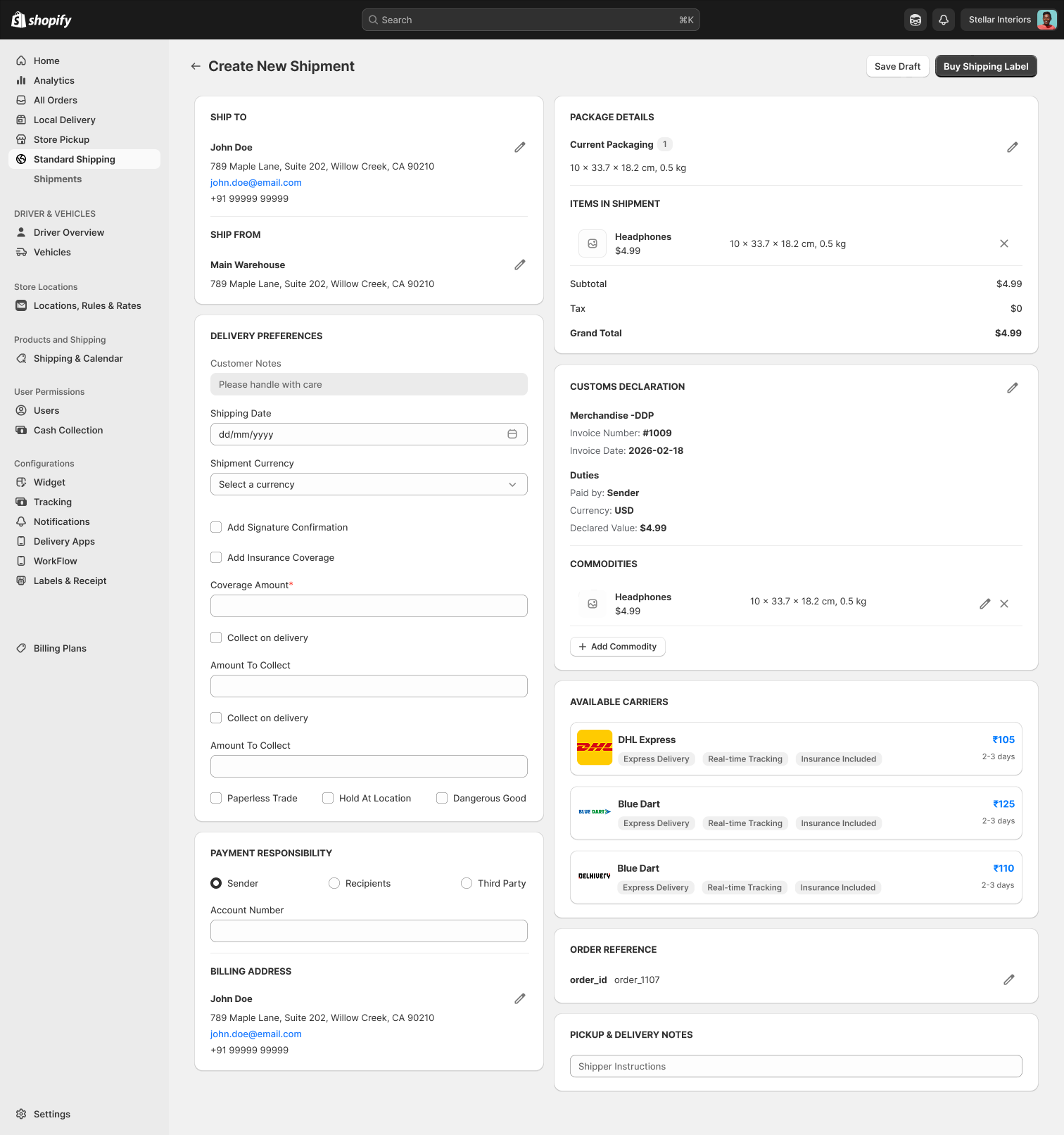
If you ship parcels yourself rather than through a 3PL, the friction is in the daily steps: comparing carrier rates in different tabs, buying labels one by one and building manifests by hand. Using several carriers is the norm. According to AlixPartners' 2026 Home Delivery Survey, more than 90% of retailers use a mix of carriers, and about a third work with four or more. AlixPartners, 2026 Home Delivery Survey (via Logistics Management) (Jun 2026) And every wasted step costs more when parcel costs keep rising. According to AlixPartners' 2026 Home Delivery Survey, 83% of retail executives say their per-package delivery costs rose year over year. AlixPartners, Great Expectations: 2026 Home Delivery Survey (Jun 2026)
ScrollEngine brings those steps into one dashboard:
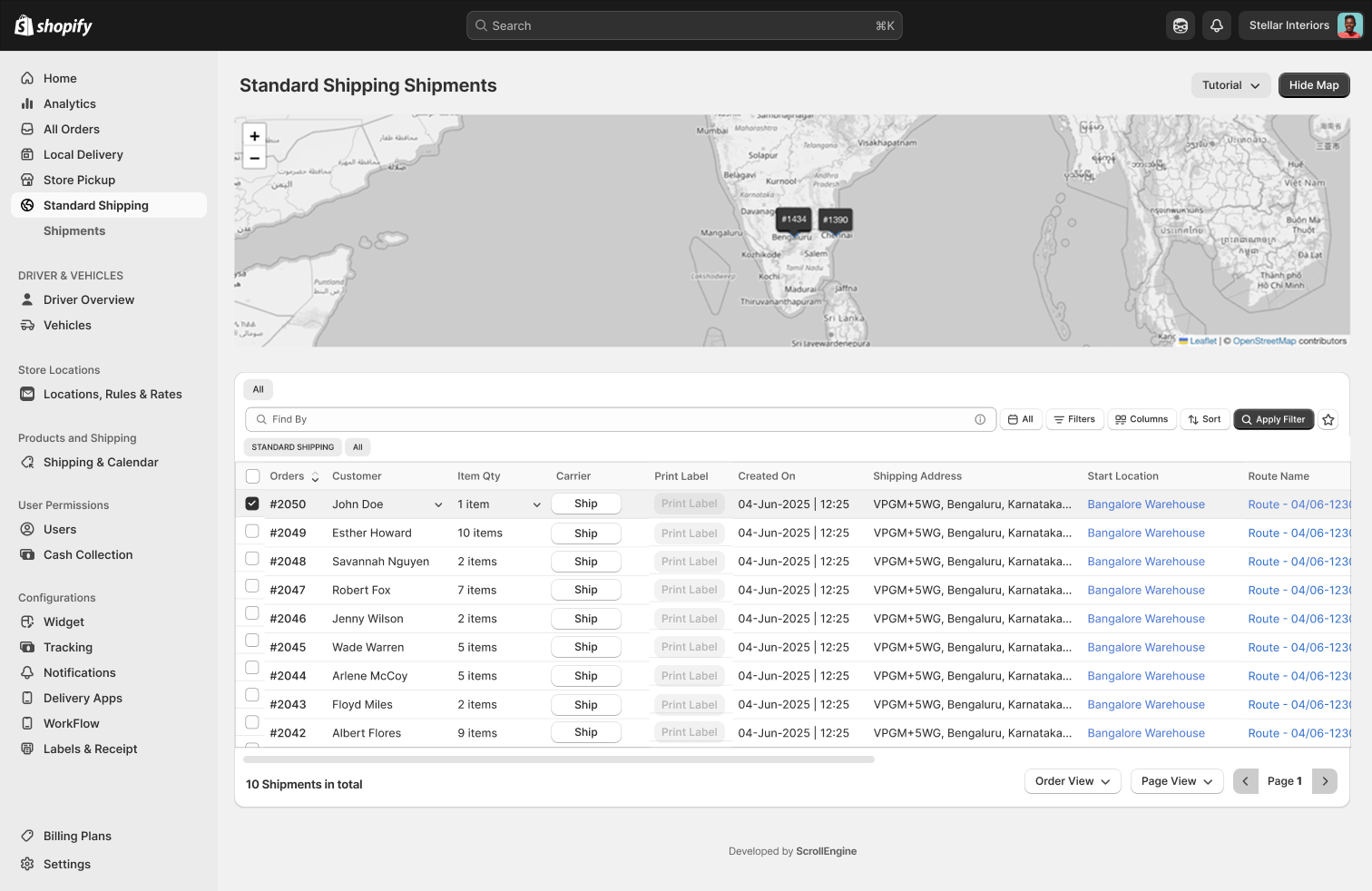
For the carriers that are live in your region, this cuts out the downloads, CSV uploads and switching between carrier accounts that slow a small shipping team down.
Use this checklist when you compare providers:
There is no single right fulfillment model, only the right one for each order. A 3PL gives you reach and capacity for parcels; in-house shipping gives you control; your stores give you speed for local customers. Many brands do best with a mix, run from one clear set of rules.
If your local orders are growing, start with same-day delivery solutions compared and the retail guide to local delivery and pickup in 2026, or see how local delivery works in ScrollEngine.
FAQ
With a 3PL, a partner stores your inventory in its warehouse, picks and packs each order and hands it to a carrier, and you pay fees for those services. With in-house fulfillment, your own team does the picking, packing and shipping from your own space, so you keep control of packaging and timing but carry the space, staff and carrier work yourself.
Consider a 3PL when packing orders takes over time you need for the business, you run out of space, seasonal peaks overwhelm your team, or most of your customers are far from you and want faster shipping. If most orders are local, or your products are perishable, fragile or bulky, local fulfillment from your own stores may serve customers better.
Yes. A common hybrid is a 3PL for parcels to customers across the country and your own stores for local delivery and store pickup. Keep stock accurate for each location in Shopify, offer local delivery and pickup only to addresses a store serves, and send shipped orders through your 3PL's fulfillment app.
No. ScrollEngine is software, not a warehouse. It runs local delivery and store pickup from your own locations, with delivery slots, location rules, optimized routes, a driver app and live tracking, and, in early access, multi-carrier shipping for orders you ship yourself. Your stock stays in your stores or your warehouse.
Most 3PL pricing combines several fees: receiving inventory, storage, picking and packing each order, packaging materials, shipping labels and returns processing, sometimes with monthly minimums. Ask every provider for a full fee schedule and model it against a typical month of your orders.
From the blog
Retailers win at local delivery and pickup in 2026 by making one clear promise at checkout and meeting it…

Local delivery helps a business grow by reaching customers beyond walk-in traffic, converting more shoppers…
Scale Shopify local delivery by fixing the promise before adding drivers: zones and slot limits per location…
Book a demo and we'll walk you through the platform set up like your stores, or request a quote for your locations and how you deliver.
2,000+ merchants trust us (as of Oct 2026)100+ merchants rate us 5.0 stars on the Shopify App Store (as of Oct 2026)