The Retail Guide to Local Delivery and Pickup in 2026
Retailers win at local delivery and pickup in 2026 by making one clear promise at checkout and meeting it…
Insights
Local delivery helps a business grow by reaching customers beyond walk-in traffic, converting more shoppers, lifting order value and repeat purchases, and protecting its reputation, as long as every order arrives on time.
Local delivery services help a business grow in five ways: they reach customers who would never walk in, convert more of the shoppers who already want to buy, lift order value, turn first orders into repeat orders, and protect the reputation every review depends on. The catch is that the growth only lasts when deliveries arrive when promised. A late or missed order can cost you the customer, not just the sale.
Below we cover what a local delivery service is, the five growth levers, how to keep delivery profitable, how to measure the return and how to get started.
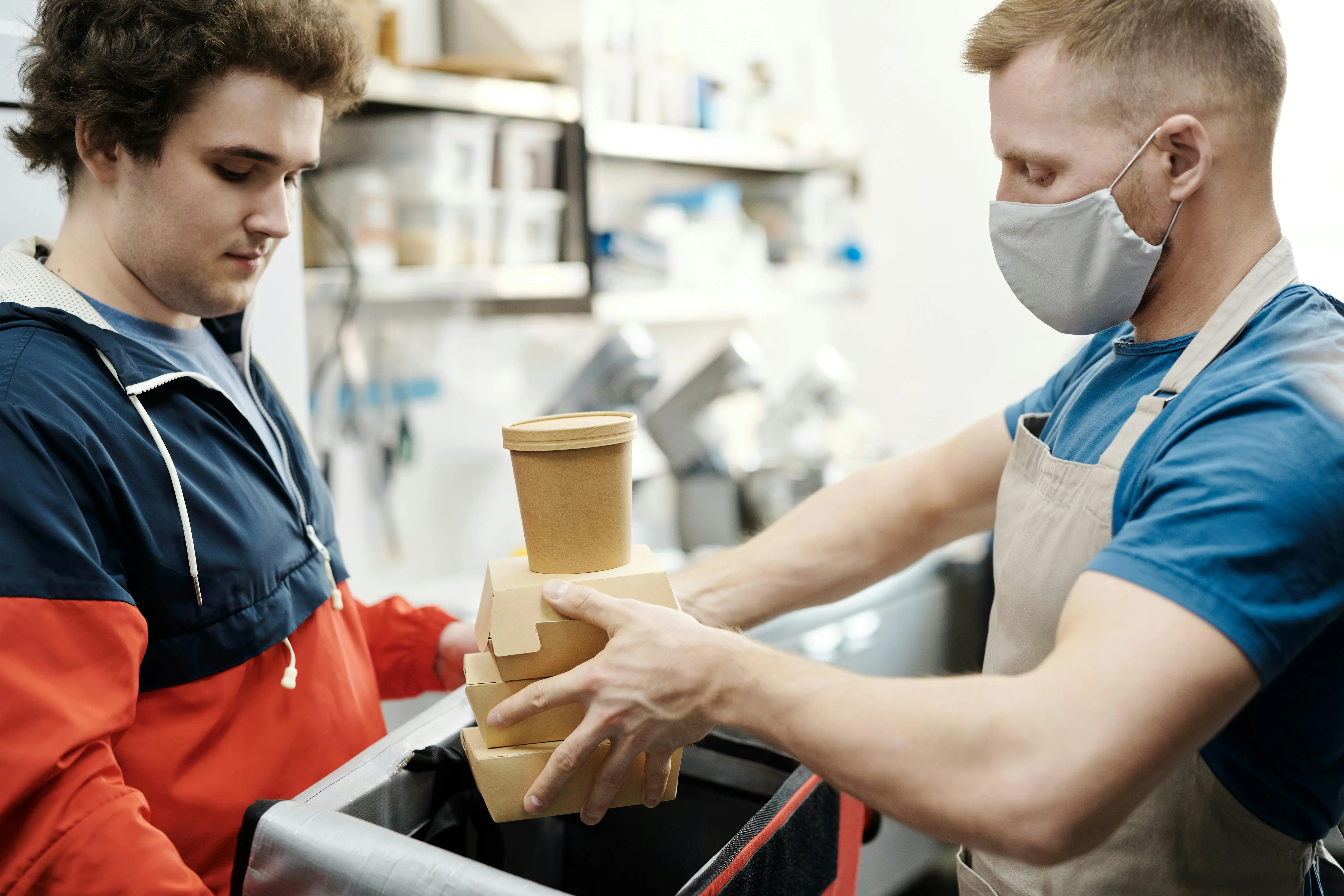
Local delivery means bringing orders to customers within a defined area around your store or warehouse, usually the same city and its suburbs, without handing the parcel to a national carrier. Orders typically arrive the same day or on a date the customer chooses.
There are three common ways to run it:
Many businesses offer store pickup alongside delivery, so nearby customers can collect their order instead. When the delivery area shrinks to a few neighborhoods and orders arrive within hours, the model is often called hyperlocal delivery.
Plenty of shoppers would rather order online than visit a store, whether because of distance, mobility, time or habit. Local delivery lets you sell to them.
Online visibility (your website, marketplaces and local search listings) brings those customers to you; delivery is what lets them buy. A well-drawn delivery area stretches your store's reach from a few blocks to a whole city. Start with the areas that already send you website visits or phone orders, then widen the zone as your drivers settle in.
Delivery cost and timing are often the last things a shopper checks before paying. According to AlixPartners' 2026 Home Delivery Survey, 94% of consumers say free shipping affects their purchase decisions. AlixPartners, 2026 Home Delivery Survey (Jun 2026)
Local delivery lets you offer what a distant warehouse can't: a low fee or free delivery for nearby addresses, and a delivery date of today or tomorrow, shown before checkout. When a shopper can see "Delivered Thursday, 4–6 PM" next to the price, there is one less reason to leave the cart.
Many retailers tie free delivery to a minimum order. According to AlixPartners' 2026 Home Delivery Survey, 56% of retailers require a minimum order value for free shipping. AlixPartners, 2026 Home Delivery Survey (Jun 2026)
The same approach works for local orders. Offer free delivery above an order value that covers your cost to deliver, and a flat fee below it. A threshold gives customers a reason to add one more item, and gives you a larger order for the same trip.
Customers remember how an order arrived long after they forget what it cost. According to AlixPartners' 2026 Home Delivery Survey, more than 85% of consumers say a poor delivery experience reduces their willingness to buy again. AlixPartners, 2026 Home Delivery Survey (via Mondaq) (Jun 2026)
The reverse also holds: a business that delivers on time, follows each customer's delivery preferences and keeps them informed earns repeat orders. Scheduled delivery helps here. Letting customers book the day and time window that suits them, and sending updates on the day, makes ordering from you an easy habit.
Product safety matters most for fragile, temperature-sensitive or perishable items. Damaged or late orders lead to refunds, complaints and public reviews that put off the next customer. According to AlixPartners' 2026 Home Delivery Survey, nearly 90% of shoppers say a late delivery weakens or ends their relationship with the retailer, even after an apology. AlixPartners, 2026 Home Delivery Survey (via Mondaq) (Jun 2026)
A few habits protect you:
Growth is not the same as profit. According to AlixPartners' 2026 Home Delivery Survey, 64% of retail supply-chain executives say home delivery is not as profitable as in-store sales. AlixPartners, 2026 Home Delivery Survey (Jun 2026) Local delivery can still pay its way when you manage four levers:
For more tactics, see 5 ways to lower local delivery costs.
Neither model is right for every business. Compare them on what matters to yours:
Many growing businesses start with whichever fits today's volume and move to a mix as orders build.
Track these numbers monthly to see whether delivery is paying off:
If you sell on Shopify, local delivery for Shopify: power Amazon-level fulfillment walks through these steps in your store. If you run several stores, the retail guide to local delivery and pickup in 2026 covers the bigger operating decisions.

ScrollEngine's Local Delivery + Pickup Date:S app brings these pieces together for Shopify merchants: delivery zones by ZIP code, radius or drawn area; delivery dates and time slots with a capacity for each slot and day; delivery rates by zone, order value or weight; optimized routes for your own drivers; a driver app for iOS and Android with photo and signature proof of delivery; and a branded tracking page with email, SMS and WhatsApp updates. Subscription orders from Recharge, Bold and Recurpay can be given delivery dates automatically, which keeps recurring revenue on schedule. See everything on our local delivery page.
Local delivery shapes how modern businesses grow. It reaches customers beyond your door, converts more of the shoppers already on your site, lifts order value and builds the repeat business that keeps a local brand strong. It pays off when every order arrives safely and on time.
👉 Get the Local Delivery + Pickup Date:S app today.
FAQ
Local delivery lets a small business sell to customers who won't visit the store, compete on speed with large retailers for nearby orders, set its own delivery fees, and build repeat business through reliable, personal service. With your own drivers, you also control how fragile, cold or perishable products are handled.
It can be, if you manage it like a product line. Home delivery usually earns less than an in-store sale, so price delivery from your real cost per stop, offer free delivery only above an order value that covers it, keep routes dense by grouping orders into time slots, cap each slot at what your drivers can deliver, and offer store pickup as a lower-cost alternative.
Use your own drivers when you deliver every day, care how the order is handled and want the delivery to feel like your brand. Use a delivery company or on-demand courier when volume is low or unpredictable, or for areas outside your core zone. Many businesses mix the two: their own drivers for the core zone and scheduled orders, a partner for overflow.
Start from what a typical delivery costs you in driver time, vehicle and fuel, then pick a structure: a flat fee per zone, free delivery above an order value, or a price based on order value or weight. A common setup is a lower fee in the nearest zone, a higher fee further out and free delivery above a threshold.
Choose the area you can cover within one delivery window, decide who delivers, set your fees and free-delivery threshold, set delivery days, time slots, cutoffs and a capacity for each slot, then plan routes and give drivers an app that captures proof of delivery. Tell local customers it's available, and keep them updated on every order.
From the blog
Retailers win at local delivery and pickup in 2026 by making one clear promise at checkout and meeting it…
A 3PL suits Shopify brands shipping parcels nationwide; in-house fulfillment suits stores that want control…
Pair Bony Subscriptions for recurring billing with ScrollEngine for local delivery…
Book a demo and we'll walk you through the platform set up like your stores, or request a quote for your locations and how you deliver.
2,000+ merchants trust us (as of Oct 2026)100+ merchants rate us 5.0 stars on the Shopify App Store (as of Oct 2026)