How Route Optimization Transforms Delivery Operations
Route optimization turns delivery planning from a morning of manual sequencing into a review…
Insights
At its core, route optimization is mathematical optimization, not AI. Delivery is heading toward tighter promises, plans that change during the day, and AI that helps the people running it, under rules they set.
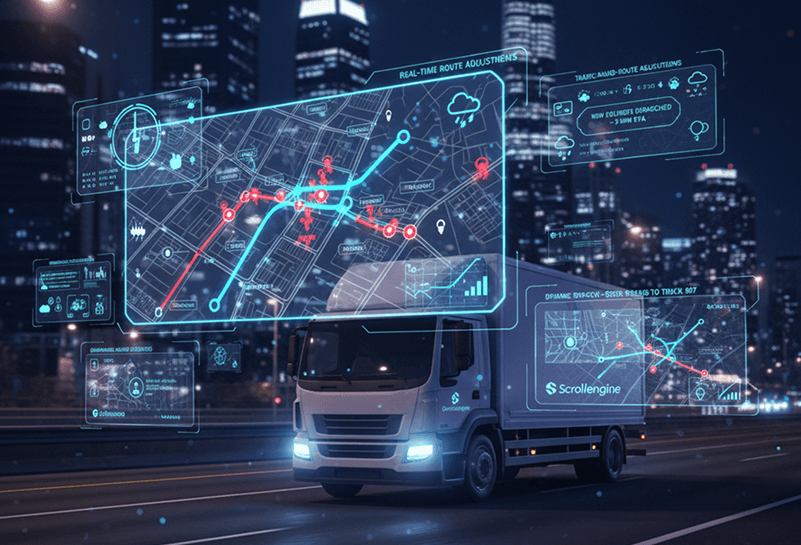
At its core, route optimization is mathematical optimization, not AI: software orders the stops and splits them between drivers so routes take the least time while keeping delivery windows, shifts and vehicle capacity. AI is arriving around that core, in assistants that answer questions about the day and in automations that summarize and sort exceptions.
Where delivery is heading is tighter promises, plans that change during the day, dispatch that runs on rules, and tools that keep people in charge. This article separates what is real from what is marketing, then walks through six shifts worth planning for.
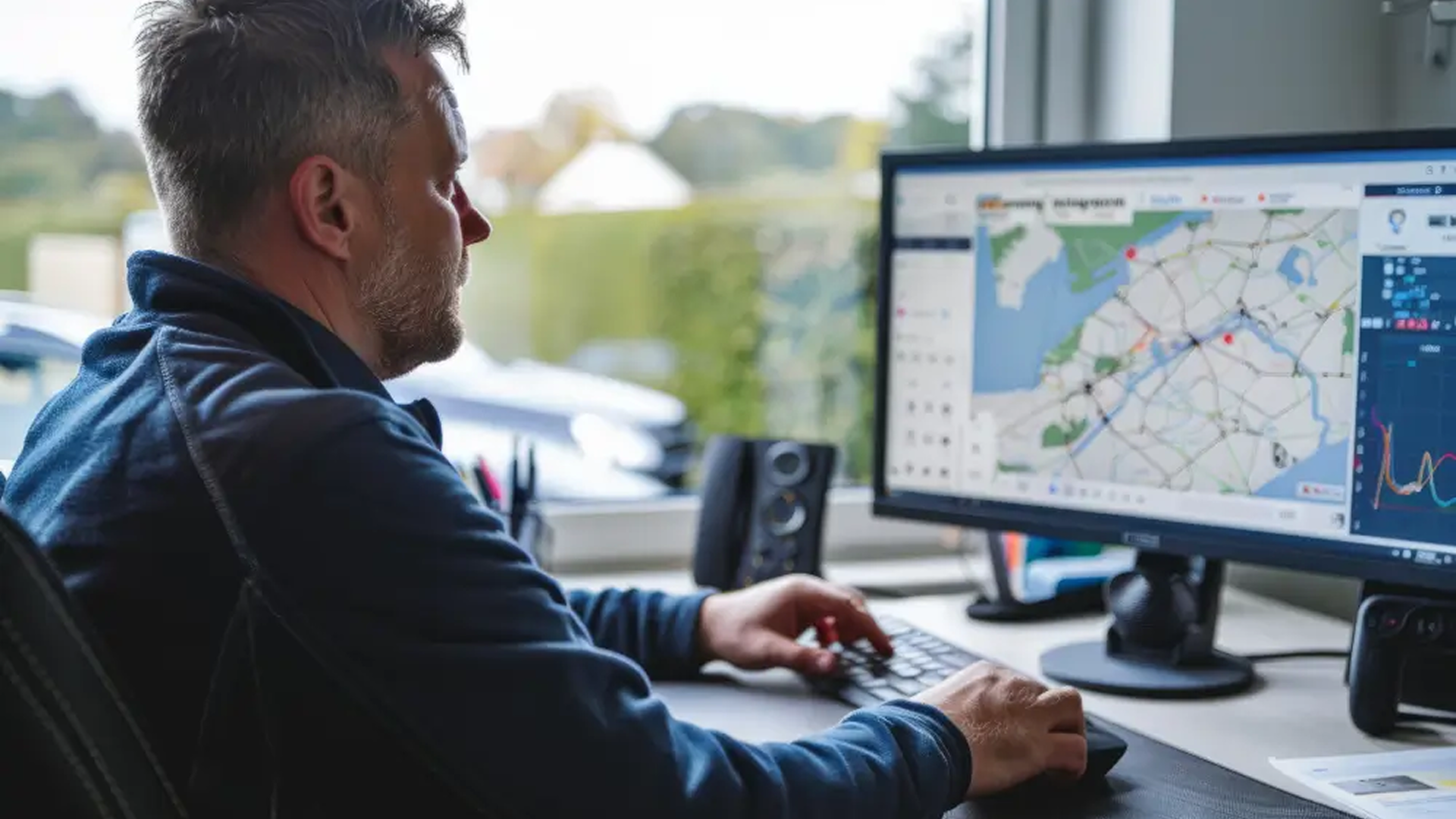
Planners call it the vehicle routing problem: given a set of stops, a set of vehicles and the rules they must follow, find the routes with the lowest total cost, usually drive time or distance. The number of possible routes grows explosively with every stop you add, which is why route optimizers use specialized algorithms instead of trying every option.
The inputs decide how useful the answer is:
Give a good optimizer accurate inputs and it returns routes a dispatcher can trust. Give it vague addresses and no time windows, and no algorithm can save the plan.
"AI" gets attached to almost every routing product. Here is who usually does each job:
| Job | Usually done by | Question to ask a vendor |
|---|---|---|
| Ordering stops and splitting them across drivers | Optimization algorithms | Which constraints does it handle: windows, shifts, breaks, capacity? |
| Travel times between stops | Map and traffic data | Whose map data is it, and is traffic included? |
| How long each stop takes | A setting you choose, or estimates from past deliveries | Can I see and change the stop time? |
| Answering "which routes are late, and why?" | Dashboards, and now AI assistants | Is the assistant read-only, and does it link to the records behind its answers? |
| Summarizing or sorting exceptions | Rules, and now AI steps in automations | Can I review what the AI step decided? |
When a vendor says its routing uses AI, ask which part is learned from data and which part is optimization. It's a fair question, and a good vendor answers it plainly.
Arrival times are where many retailers want help first. According to AlixPartners' 2026 Home Delivery Survey, 68% of executives say improving ETA accuracy and reliability is their top AI use-case priority. AlixPartners, Great Expectations: 2026 Home Delivery Survey (Jun 2026) Accurate ETAs start with the basics: a good plan, live traffic and the driver's real position.
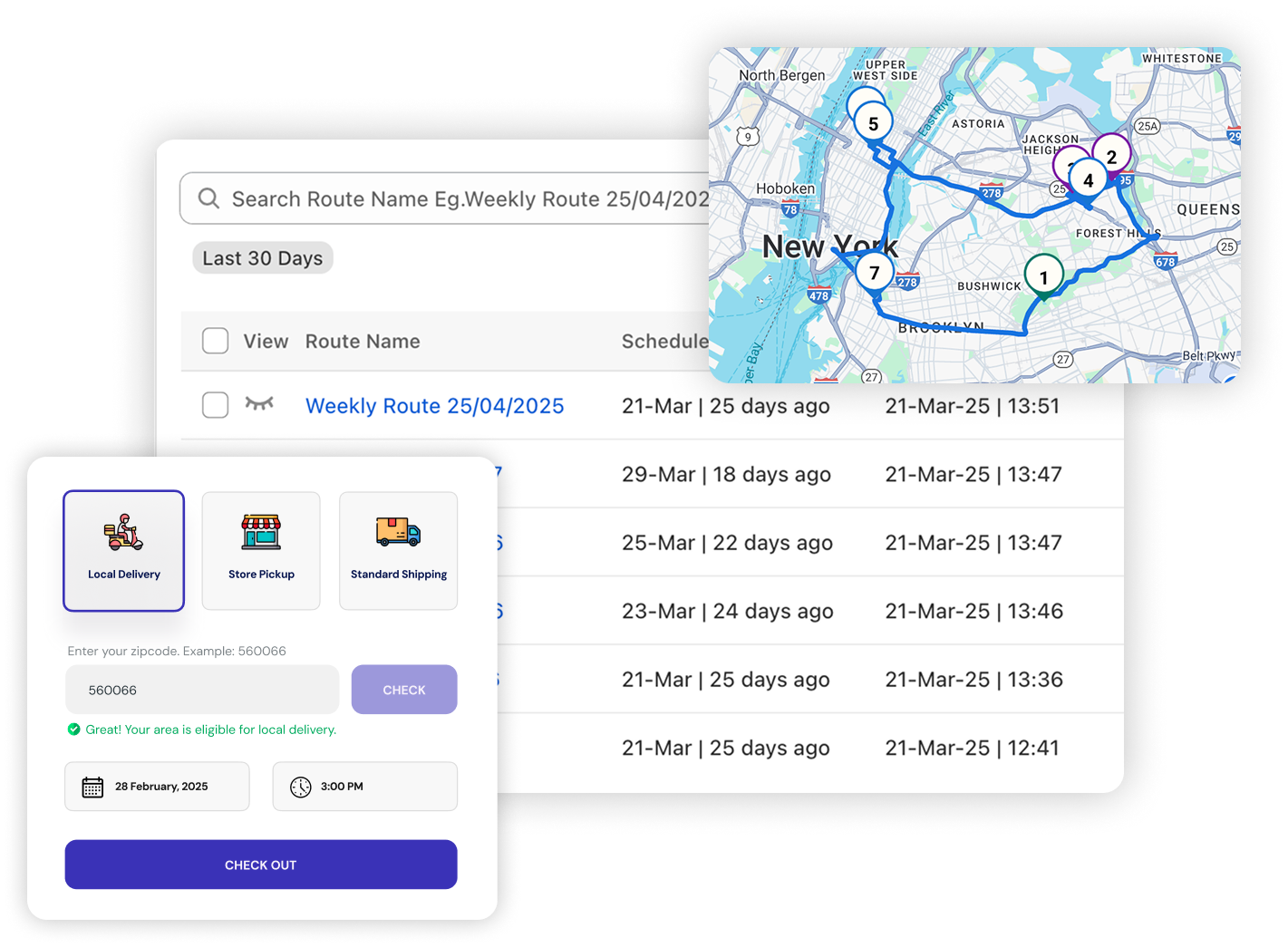
Delivery promises keep getting shorter. According to AlixPartners' 2026 Home Delivery Survey, shoppers now expect free delivery in under three days. AlixPartners, 2026 Home Delivery Survey (via Logistics Management) (Jun 2026), say 'under three days' (2.6/2.7 mismatch between sources) For local orders, that pushes stores toward same-day and next-day slots that shoppers choose at checkout, and every booked slot becomes a constraint the route has to meet. Planning starts at checkout, not in the morning.
The fixed morning plan is giving way to routes that change as the day happens: late orders, cancellations, a closed road. In ScrollEngine, routes stay editable after they start and ETAs are recalculated. Before routes go out, several can be rebalanced together on one map in the multi-route editor Early access. Our bulk route editing tips show how.
Offering work to drivers is becoming automatic, but on rules a manager can read. ScrollEngine's automated dispatch Early access offers each delivery to nearby on-duty drivers with the right vehicle, ranked by cost and load, and whichever driver accepts first takes it. It runs in the standalone web dashboard. Drivers can also claim open routes or shipments from a driver job board.
A tracking link is now part of the product. According to AlixPartners' 2026 Home Delivery Survey, three out of five consumers have used AI chatbots to track or resolve a delivery. AlixPartners, 2026 Home Delivery Survey (via Logistics Management) (Jun 2026) ScrollEngine sends customers a branded tracking page with driver status and ETA, plus updates by email, SMS and WhatsApp, so fewer of them need to ask where their order is.
A local fleet can mix cars, vans, cargo bikes and electric vehicles, each with its own capacity and running cost. Planning has to know which vehicle can carry what. ScrollEngine's vehicle and fleet registry, in the standalone web dashboard, holds vehicle types, including electric ones, with dimensions and payload.
The next step for AI in delivery is helping dispatchers and managers: answering questions in plain language, flagging exceptions, and drafting the next action for a person to check. Delivery involves real customers, real drivers and real money, so trust has to be earned one step at a time, with people able to see and check what the AI did.
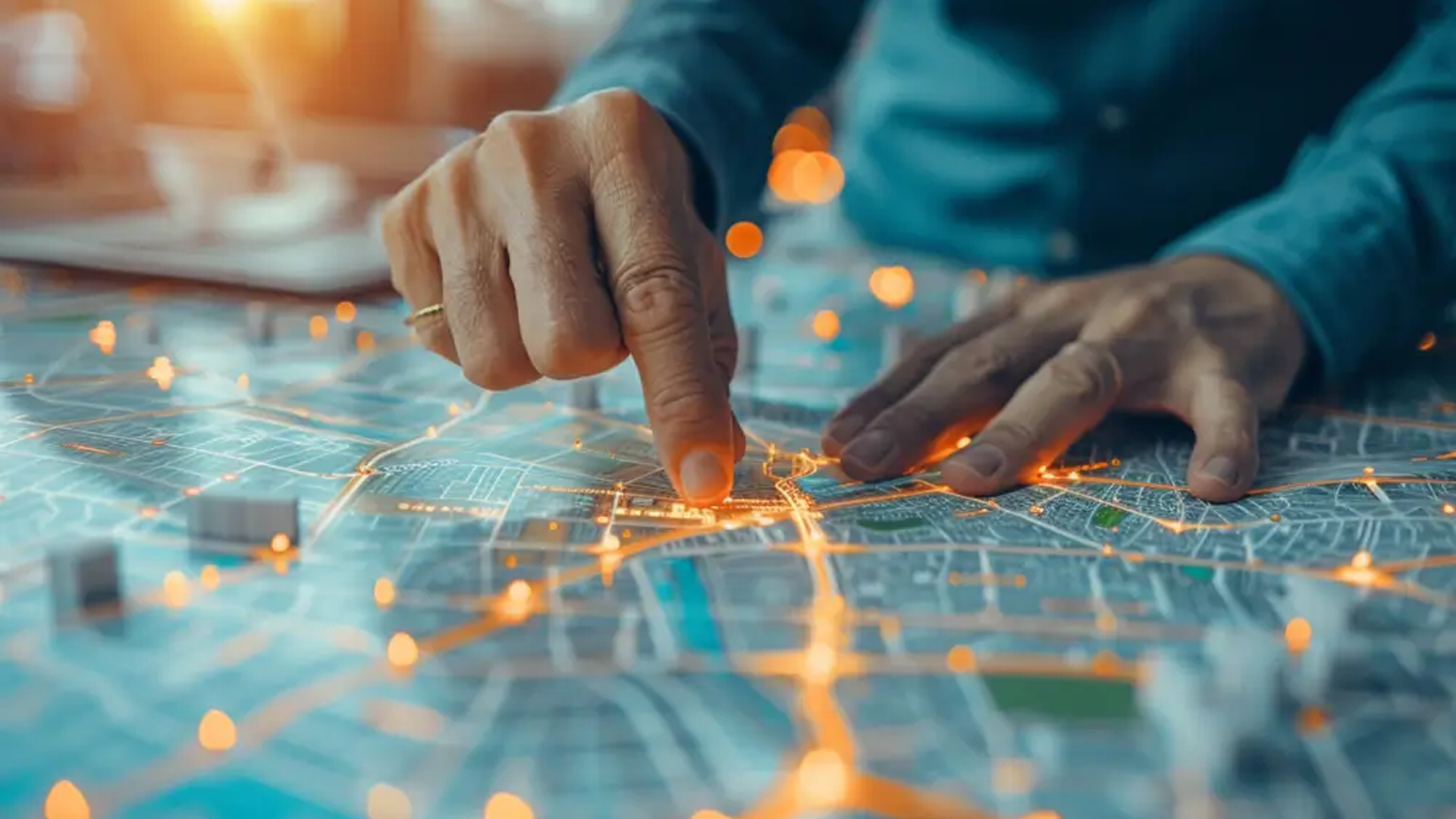
HomeRun, in Bengaluru, India, promises building materials, tools and hardware at the door in 60 minutes or less. Its own fleet runs on ScrollEngine for live driver tracking, dispatch, route optimization and automatic customer updates. Read how ScrollEngine powers HomeRun's 60-minute delivery promise.
You don't need to wait for anything new to benefit. Most of the gains come from getting the inputs right:
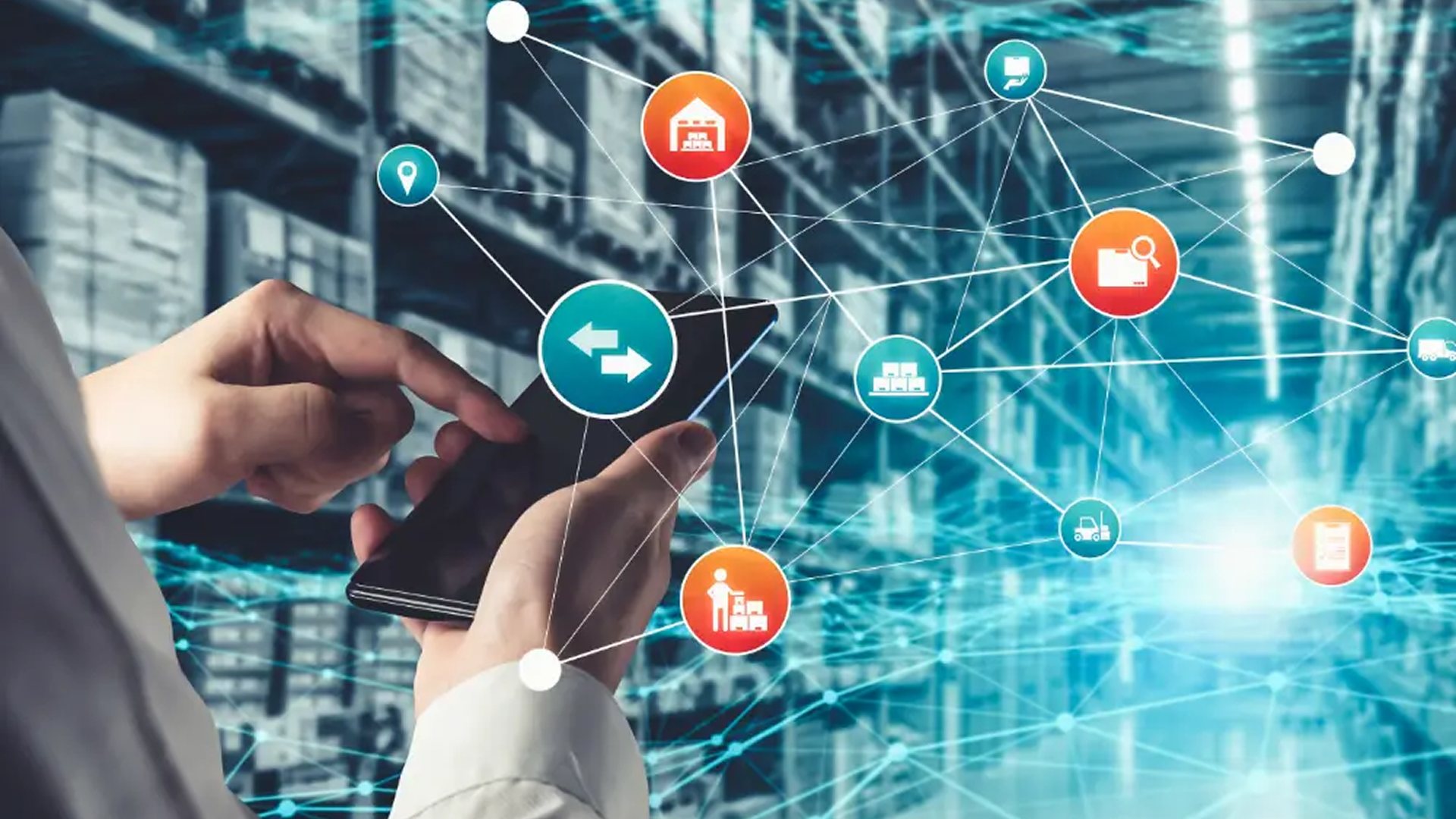
Route optimization is no longer only for large fleets. Any store with its own drivers can plan optimized, multi-driver routes from the slots its customers book, change them during the day, and keep customers informed. AI will take on more of the routine coordination around that work. We're building toward that at ScrollEngine, with people in charge and inside rules they set.
Start with Local Delivery + Pickup Date:S to plan routes, delivery slots and live tracking in one app.
FAQ
Not at its core. Route optimization uses mathematical optimization to order stops and split them across drivers within delivery windows, shifts and vehicle capacity. Some tools add learned estimates around it, such as how long a stop takes. ScrollEngine's route optimization is optimization: it plans from the orders and limits you give it, and you can review and change every route.
Route planning is deciding which stops each driver visits and in what order, and it can be done by hand. Route optimization is software that does that planning to cut drive time or distance while keeping your constraints, such as time windows, shifts and vehicle capacity.
Mostly around the route rather than inside it: assistants that answer questions about orders, drivers and late routes, and automation steps that summarize or sort exceptions. In ScrollEngine, Ask Engine is a read-only assistant in early access in the standalone web dashboard, and AI steps in workflows are in early access.
Multi-driver planning; support for booked delivery windows, shifts, breaks and vehicle capacity; traffic-aware travel times; routes you can edit after they start; a driver app with proof of delivery; and customer tracking. Ask the vendor to show how a plan is built and how you change it.
Usually, once you deliver more stops a day than you can order in your head. Even with one or two drivers, optimized stop order and booked time windows save planning time and miles, and the same setup grows with you as you add drivers.
From the blog
Route optimization turns delivery planning from a morning of manual sequencing into a review…
In November 2025, ScrollEngine announced it could optimize 1,000 Shopify orders in one batch, across drivers…
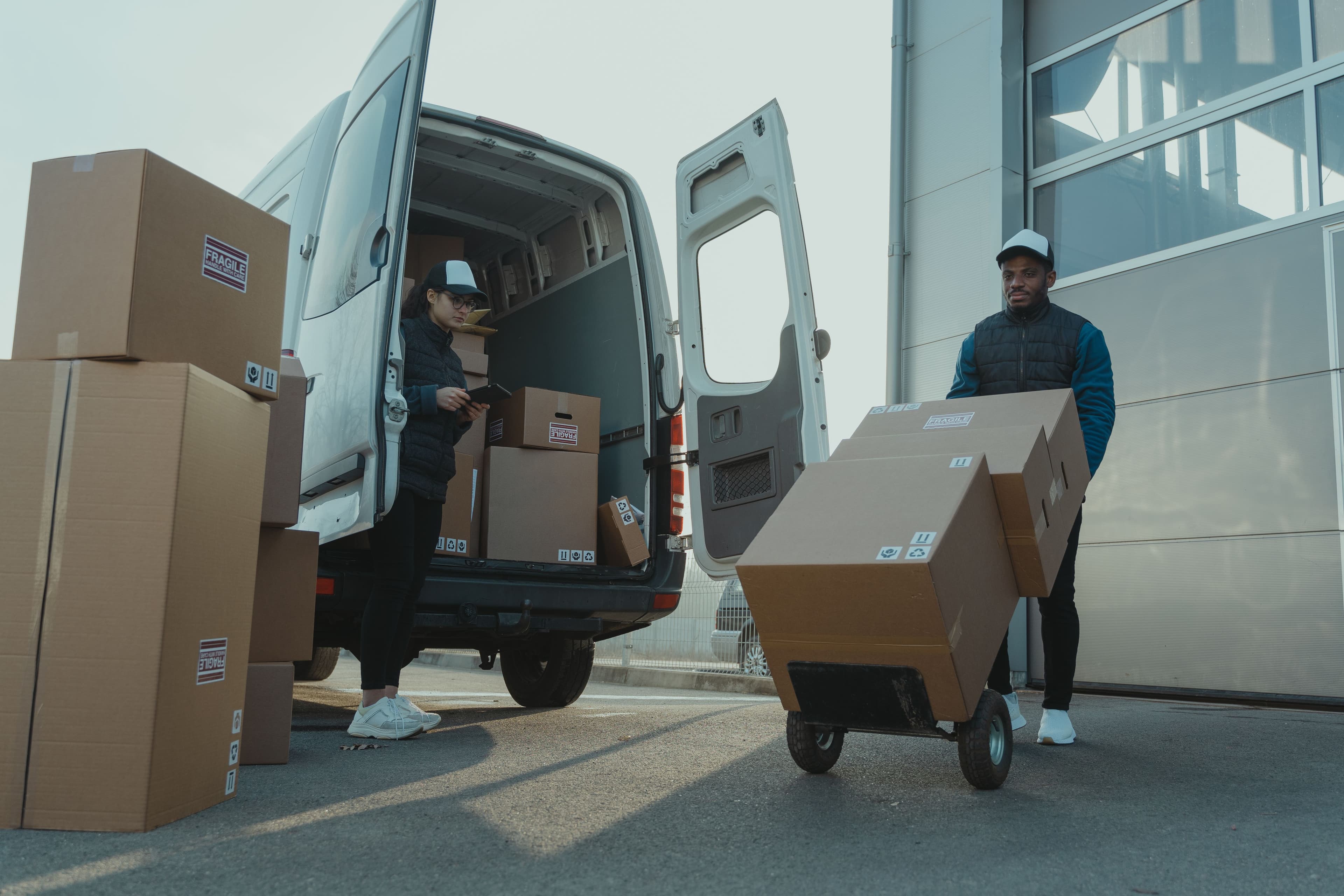
Route optimization cuts fuel and delivery time for Shopify stores by putting stops in the order that takes…
Book a demo and we'll walk you through the platform set up like your stores, or request a quote for your locations and how you deliver.
2,000+ merchants trust us (as of Oct 2026)100+ merchants rate us 5.0 stars on the Shopify App Store (as of Oct 2026)