
Product-specific delivery rules let merchants such as Geelong Flower Farm and Fantasy Bakery give chosen products…
Product story
Proactive delivery updates answer “Where is my order?” before customers ask. By ScrollEngine's account, WISMO fell twice: after automated emails, then after editable SMS and WhatsApp templates.
2,000+ merchants trust us (as of Oct 2026)100+ merchants rate us 5.0 stars on the Shopify App Store (as of Oct 2026)

Delivery notifications reduce WISMO (“Where is my order?”) contacts by answering the question before the customer asks it: a message when the order leaves, a tracking link to follow the driver, and a confirmation when it arrives. ScrollEngine learned this in two steps. By its own account, WISMO fell after automated delivery emails launched, and fell again once merchants could edit their messages and send them by SMS and WhatsApp.
Before ScrollEngine built any communication tools, merchants using it had no built-in way to send delivery updates from the app. No email, no SMS, no WhatsApp, no notifications of any kind.
WISMO is a common problem across e-commerce. DigitalGenius customer data from 2023 shows that around one in five e-commerce support queries asks "Where is my order?", rising to up to 40% at peak (vendor data). DigitalGenius, What is a normal WISMO rate (Mar 2023), vendor data
For merchants running their own deliveries, the gap set off a chain reaction.
Customers kept asking the same questions:
The questions spiked during peak delivery windows, exactly when teams had the least time to answer.
Merchants called customers, sent messages by hand, tracked orders manually and updated people one by one. As order volume grew, that became unmanageable.
Without updates, customers phoned drivers directly. That slowed routes, delayed deliveries and led to distractions, errors and missed steps.
With no visibility, deliveries felt uncertain and unprofessional.
Merchants needed automated, reliable delivery communication on more than one channel.

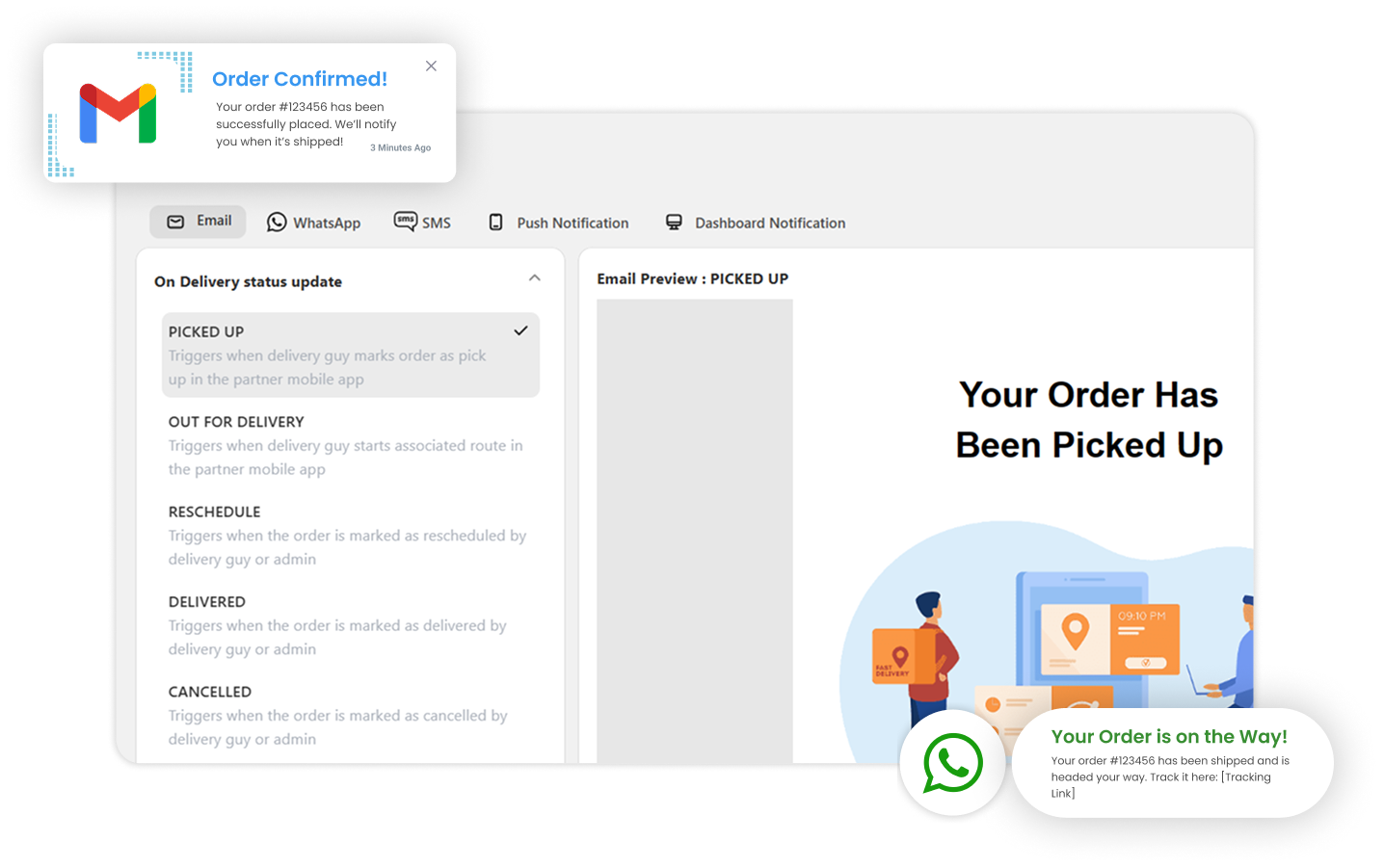
ScrollEngine's first answer was automated email notifications, sent as each order moved through delivery. Customers could now see where their order was without asking. Those early emails were automatic, clear and easy to adopt, though merchants could not edit them yet.
The impact, as ScrollEngine published it:
Email solved the most urgent problem: customers had no visibility. But merchants wanted more flexibility, their own tone of voice and faster channels.
As merchants scaled, they wanted more control over how and where customers heard from them. ScrollEngine responded with five additions.
Merchants can customize every message: brand tone, language and delivery instructions. Each message can carry the link to the branded tracking page, so customers follow the driver themselves instead of calling.
SMS sends through a messaging provider the merchant connects, such as Twilio, and works across countries and carriers. It needs no data connection on the customer's phone, which makes it the channel for urgent, time-sensitive updates such as “out for delivery”.
WhatsApp is one of the most widely used messaging apps in the world, and merchants asked for it. ScrollEngine sends WhatsApp updates from message templates the merchant writes and gets approved. Customers hear from the store in an app they already use, which suits short, conversational updates.
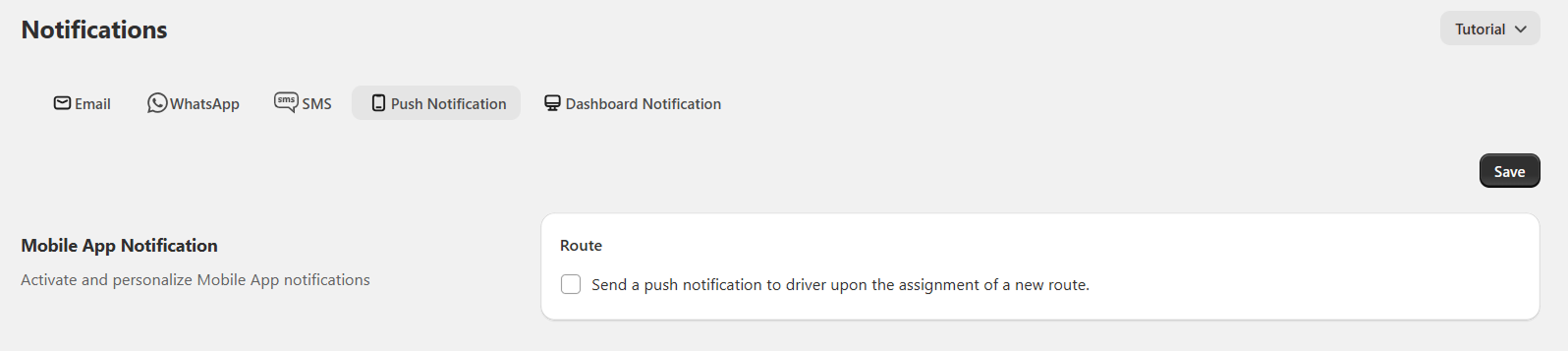
Drivers get a push alert in the driver app when a new route is assigned to them, so nobody has to phone them to say their next run is ready. Driver emails cover the rest: a route is assigned, an assigned route changes, or a shipment on it changes.
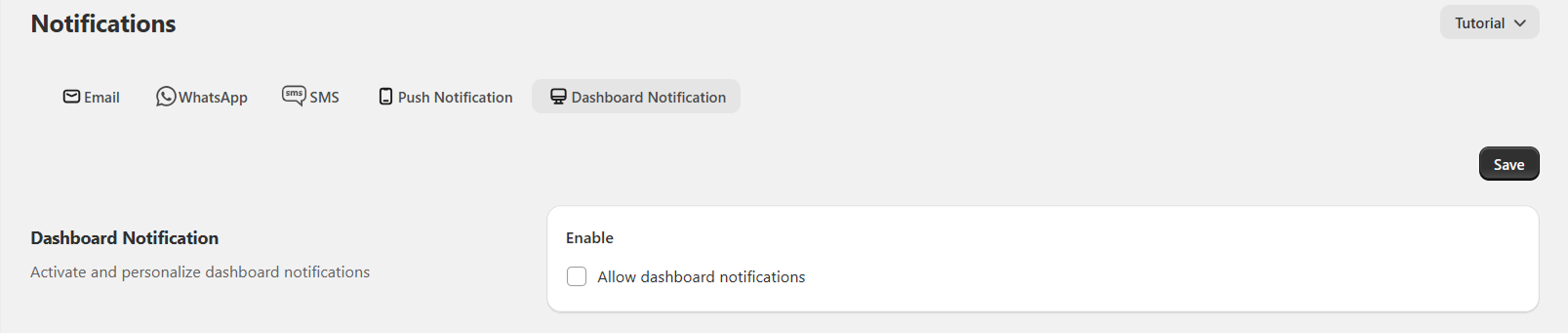
One of the most common merchant requests was simple: “We need a sound notification for new orders so we don't miss anything.” ScrollEngine added dashboard notifications with a tone you choose, so the team hears each new order the moment it arrives, even when nobody is watching the screen.
These are the outcomes as ScrollEngine first published them.
Customers get consistent, branded messages on the channel they prefer.
Driver push alerts improved responsiveness and on-time performance.
Sound alerts mean a new order is heard as soon as it lands, so preparation starts straight away.
Whatever the order volume, customer communication stays automated.
Most WISMO comes from a handful of moments. Cover each one with the right channel and most of the calls never happen:
| Moment | Channel | What to include |
|---|---|---|
| Order placed | Thank-you page | The delivery date and time slot the customer booked |
| Out for delivery | SMS or WhatsApp | The tracking link, so the customer can follow the driver |
| Delivered | Proof of delivery and a way to rate the delivery | |
| Ready for pickup | SMS, WhatsApp or email | The pickup store and the slot the customer booked |
| Rescheduled | SMS or WhatsApp | The new date and time slot |
| Running late | Dashboard and Slack alerts for your team | At-risk alerts, so you can warn the customer before they ask |
Four habits make the playbook work:
The step-by-step setup, including the ready-for-pickup message for pickup orders, is in Set up customer notifications.
Notifications are only half of delivery visibility; the other half is live tracking. Read how real-time tracking builds customer trust and why arrival visibility matters in last-mile delivery, or see everything ScrollEngine does after checkout in tracking and updates.
This story reflects one principle that still shapes the product: listen to merchants, and build solutions that grow with them.
WISMO stands for “Where is my order?”: the calls, emails and chats customers send when they don't know where a delivery is or when it will arrive. For local delivery merchants they peak during delivery windows and land on store staff and drivers.
They answer the question before the customer asks it. A message when the order leaves, with a tracking link, and another when it arrives, with proof of delivery, remove the usual reasons to call.
Customers get email, SMS and WhatsApp updates. Email can go out through your own provider, such as SendGrid, Mailgun or SMTP. SMS and WhatsApp go through a messaging provider you connect, such as Twilio, and WhatsApp messages use templates that must be approved first. Drivers get push alerts in the driver app, and your team gets dashboard alerts.
Yes. Every message template is editable, so you can match your brand's tone and language, add delivery instructions and include the tracking link.
Yes. Drivers get a push alert in the driver app when a new route is assigned to them, plus emails when a route is assigned or changes. Your team can turn on dashboard alerts with a sound for every new order.
Ready to cut “Where is my order?” calls? Install Local Delivery + Pickup Date:S from the Shopify App Store and turn on your first delivery notifications.
Each result is quoted exactly as ScrollEngine first published it on scrollengine.com. Its baseline, period and method were not published with it.
WISMO Reduced Twice
Published on the original case study on scrollengine.com, as seen .
Customer stories
Product-specific delivery rules let merchants such as Geelong Flower Farm and Fantasy Bakery give chosen products…

ScrollEngine's Vehicle Management keeps one record per delivery vehicle, with its type, capacity, registration…

Supplier disputes dropped by 98%
As published by ScrollEngine, supplier disputes dropped by 98% after Goswasthya, an organic food brand…
Request a quote for your stores, or book a demo and we'll map your locations, slots and routes with you.
2,000+ merchants trust us (as of Oct 2026)100+ merchants rate us 5.0 stars on the Shopify App Store (as of Oct 2026)