
How to Reduce Your Shopify Local Delivery Costs
To reduce your Shopify local delivery costs, add up a typical week's driver time, vehicle, failed attempts…
Insights
Poor delivery management costs far more than fuel and driver pay: second attempts, refunds, "where is my order?" tickets, wasted driver hours, order errors and customers who don't come back. Each one can be measured and fixed.
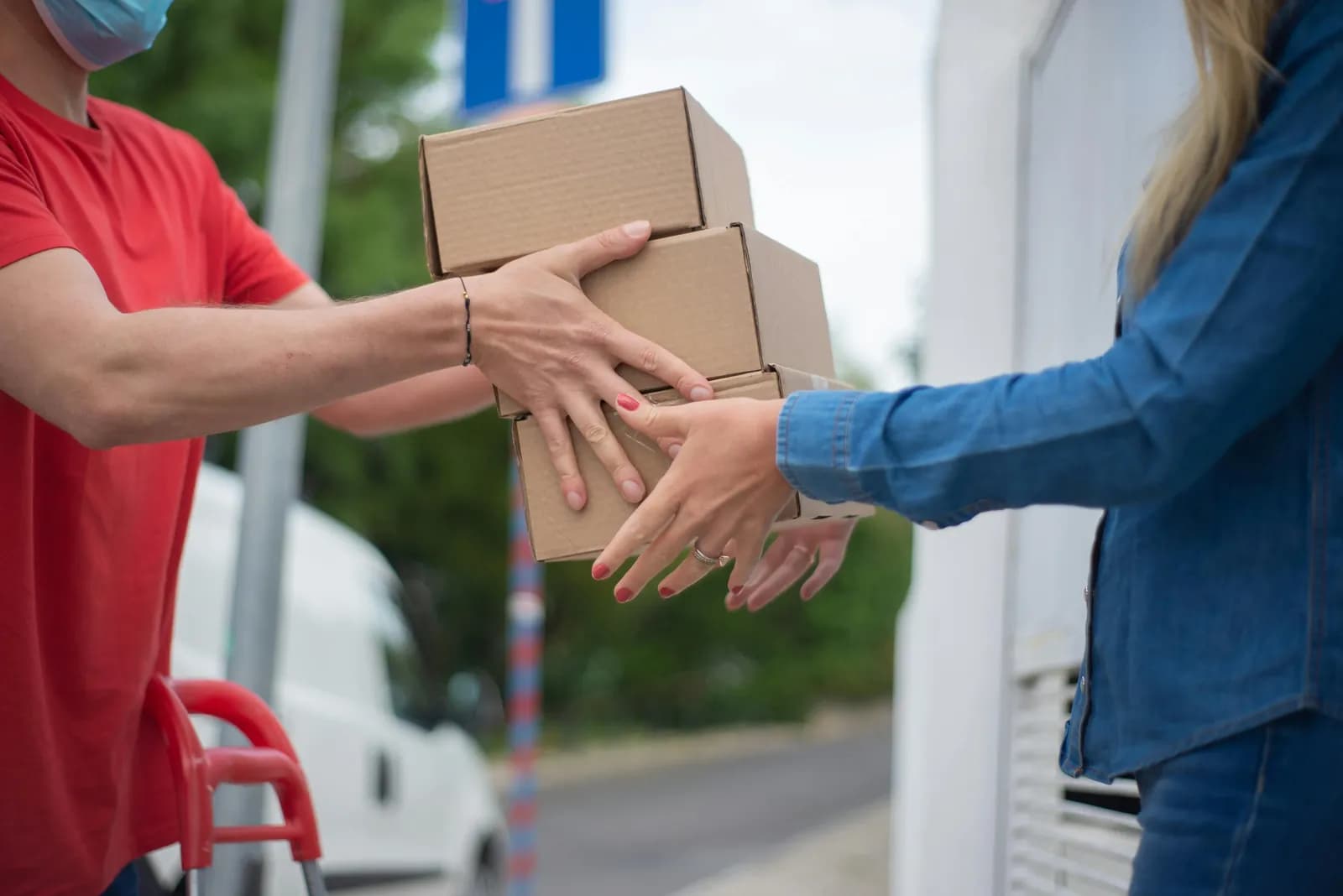
The hidden costs of poor delivery management are the ones that never appear on a delivery invoice: second attempts, refunds, support tickets, wasted driver hours and customers who quietly stop ordering. They turn up instead in your support queue, your refund report and your repeat-purchase rate. Below are the six that matter most, how to spot each one, and how to fix it.
Customers don't see your delivery process, but they feel every mistake. According to AlixPartners' 2026 Home Delivery Survey, more than 85% of consumers say a poor delivery experience reduces their willingness to buy again. AlixPartners, 2026 Home Delivery Survey (via Mondaq) (Jun 2026)
This article covers the costs outside the delivery line. For the direct costs of driver time, vehicles and fuel, read How to Reduce Your Shopify Local Delivery Costs and 5 Ways to Lower Local Delivery Costs for Shopify.
| Hidden cost | Where it shows up | What to track | The fix |
|---|---|---|---|
| Failed or late deliveries | Redelivery trips, refunds, credits | First-attempt success, late deliveries | Booked time slots, optimized routes, live ETAs, at-risk alerts |
| Poor customer communication | Your support inbox | "Where is my order?" contacts per 100 orders | Automatic updates and a live tracking page |
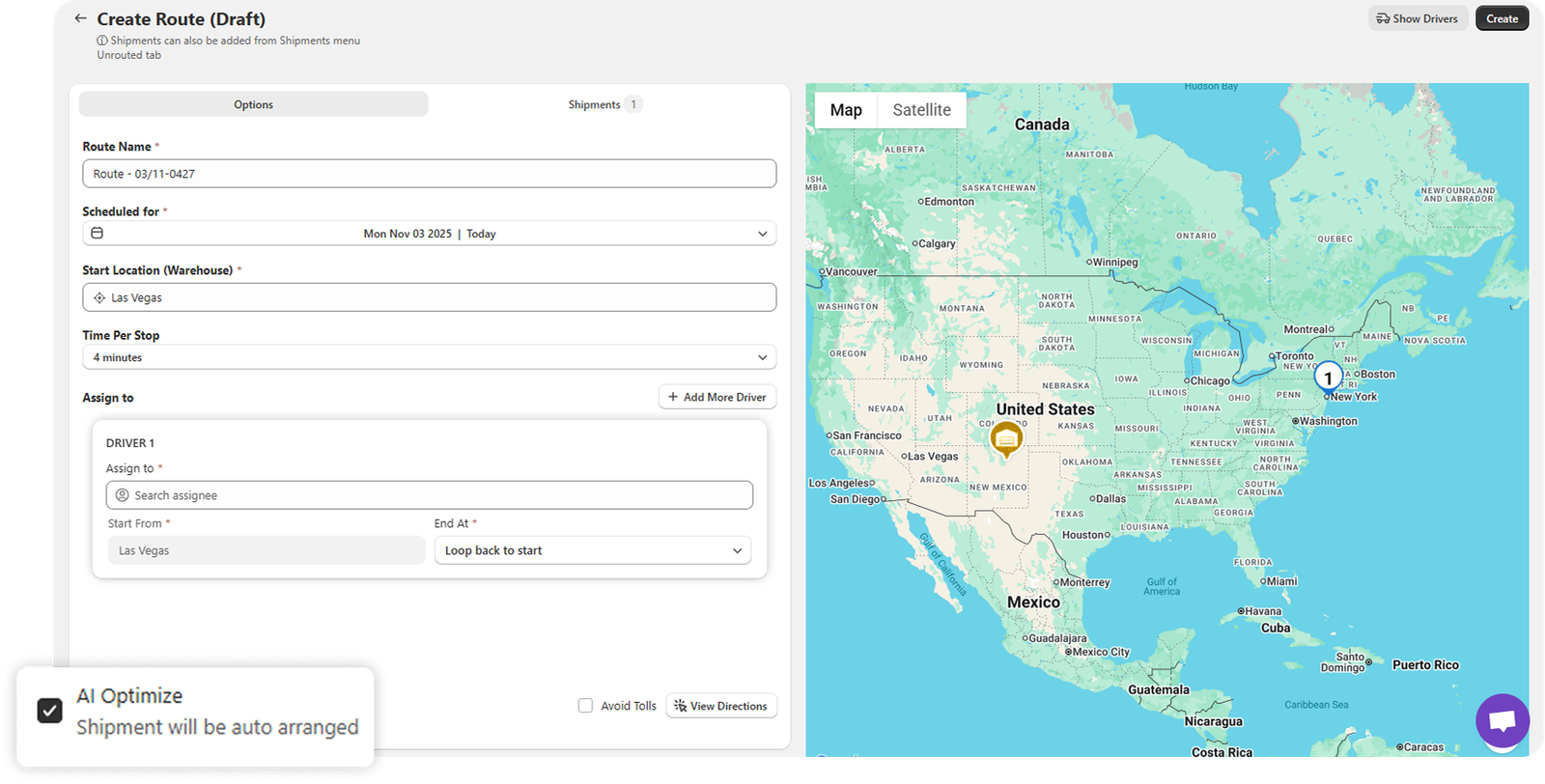
| Inefficient routing and dispatch | Driver hours, fuel, overtime | Stops per driver hour, miles per stop | Route optimization for every driver |
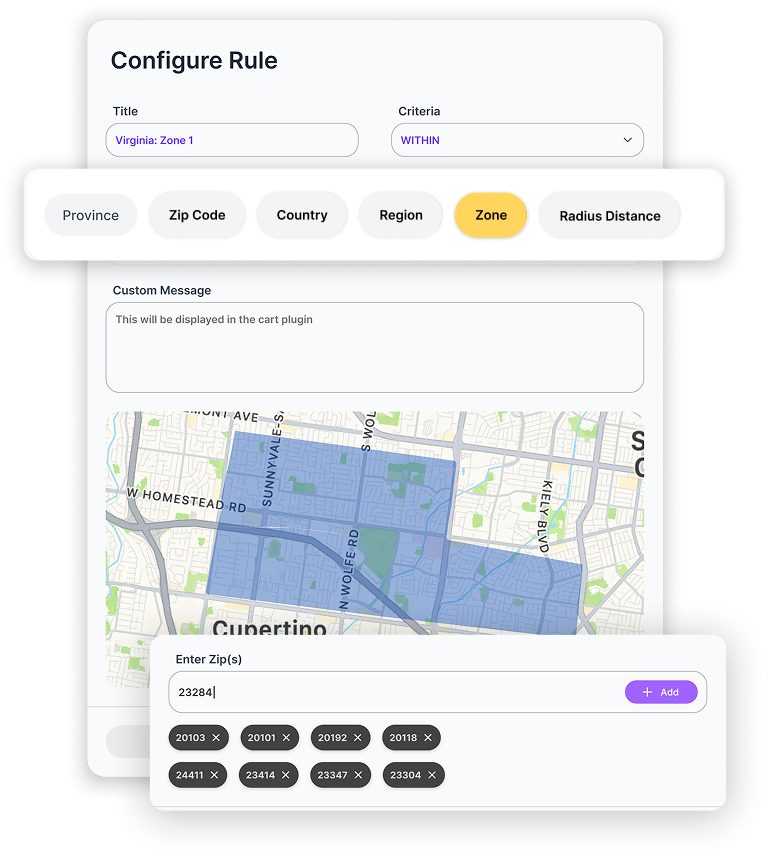
| Delivery errors | Refunds, replacement orders | Orders sent to the wrong address or outside your area | Address checks in the cart, map pins, location rules |
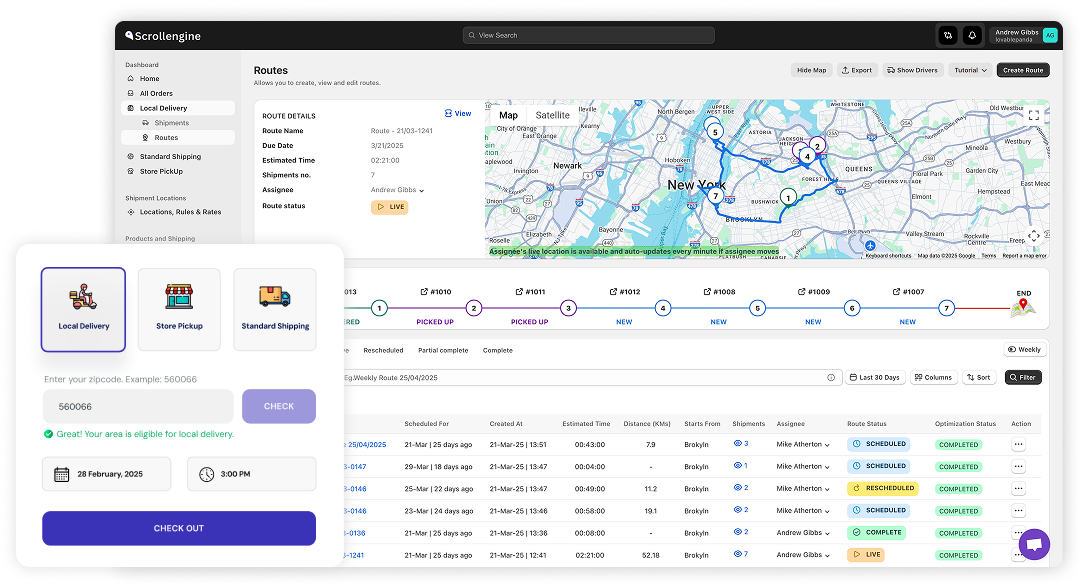
| Operational chaos | Manager time, missed handoffs | Hours spent planning and chasing drivers | One dashboard and automated workflows |
| Lost customer loyalty | Repeat-purchase rate | Repeat rate of delivery customers | All of the above, done consistently |
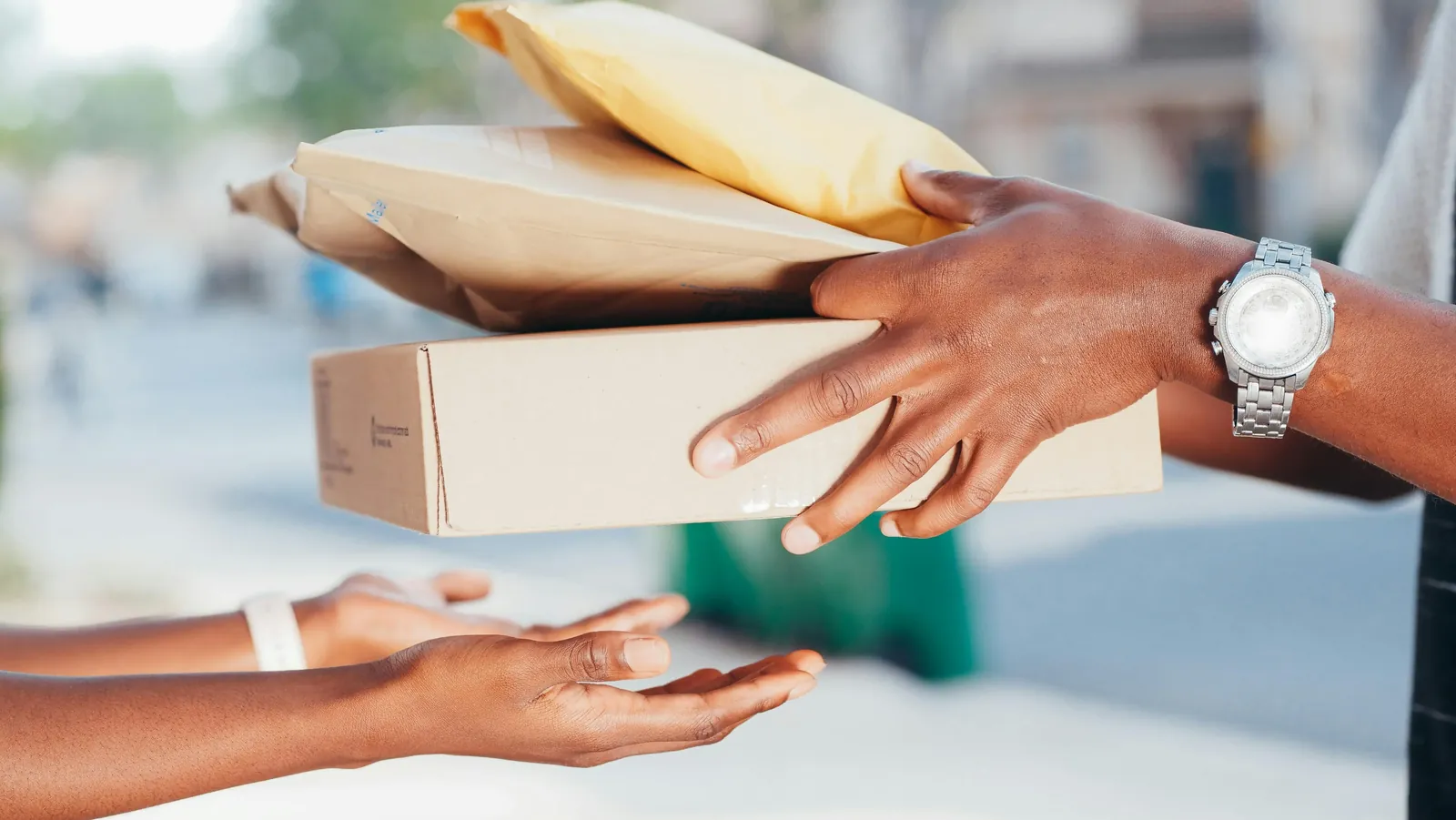
A late or failed delivery doesn't just create one unhappy customer. It also brings:
The direct cost alone adds up fast. Loqate's 2020 survey found that 8% of domestic first-time deliveries fail, costing retailers an average of $17.20 per order. Loqate (GBG), Fixing Failed Deliveries 2021 (Dec 2020), 2020 fieldwork Lateness costs you customers too. According to AlixPartners' 2026 Home Delivery Survey, nearly 90% of shoppers say a late delivery weakens or ends their relationship with the retailer, even after an apology. AlixPartners, 2026 Home Delivery Survey (via Mondaq) (Jun 2026)
How to spot it: count first-attempt failures and late deliveries each week, and check how many refunds and credits give delivery as the reason.
ScrollEngine's route optimization plans efficient multi-stop routes for your drivers, which helps cut delays and the costly re-deliveries that follow. See the delivery route planner.
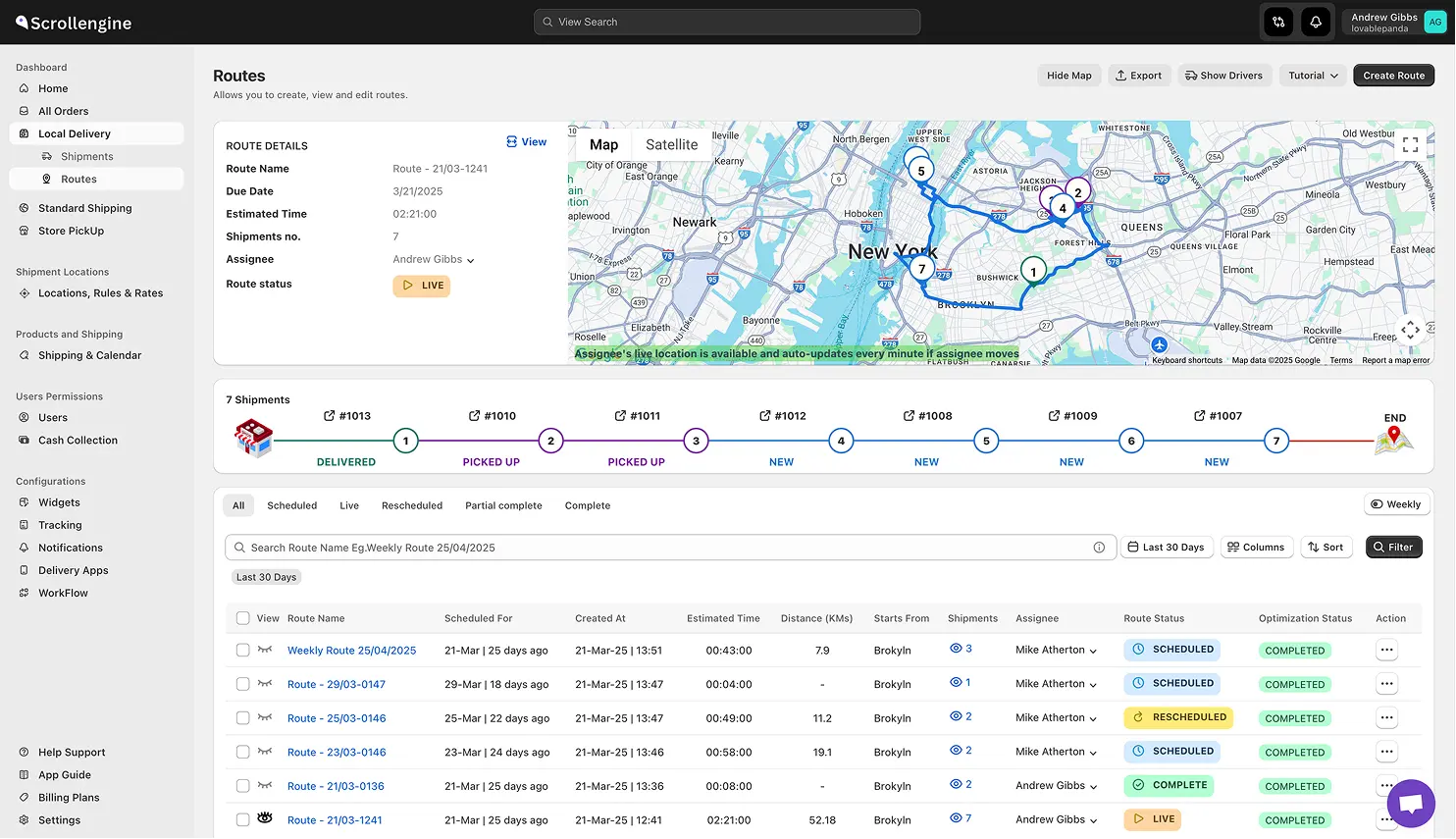
When a customer asks "Where is my order?", it's not just a question. It's a cost. DigitalGenius customer data from 2023 shows that around one in five e-commerce support queries asks "Where is my order?", rising to up to 40% at peak (vendor data). DigitalGenius, What is a normal WISMO rate (Mar 2023), vendor data
Every one of those messages means:
Silence and vague updates are what drive those messages.
How to spot it: tag delivery questions in your helpdesk and count them per 100 orders, before and after any change.
ScrollEngine's branded tracking page and multi-channel notifications keep customers informed without them having to ask. See tracking and customer updates.
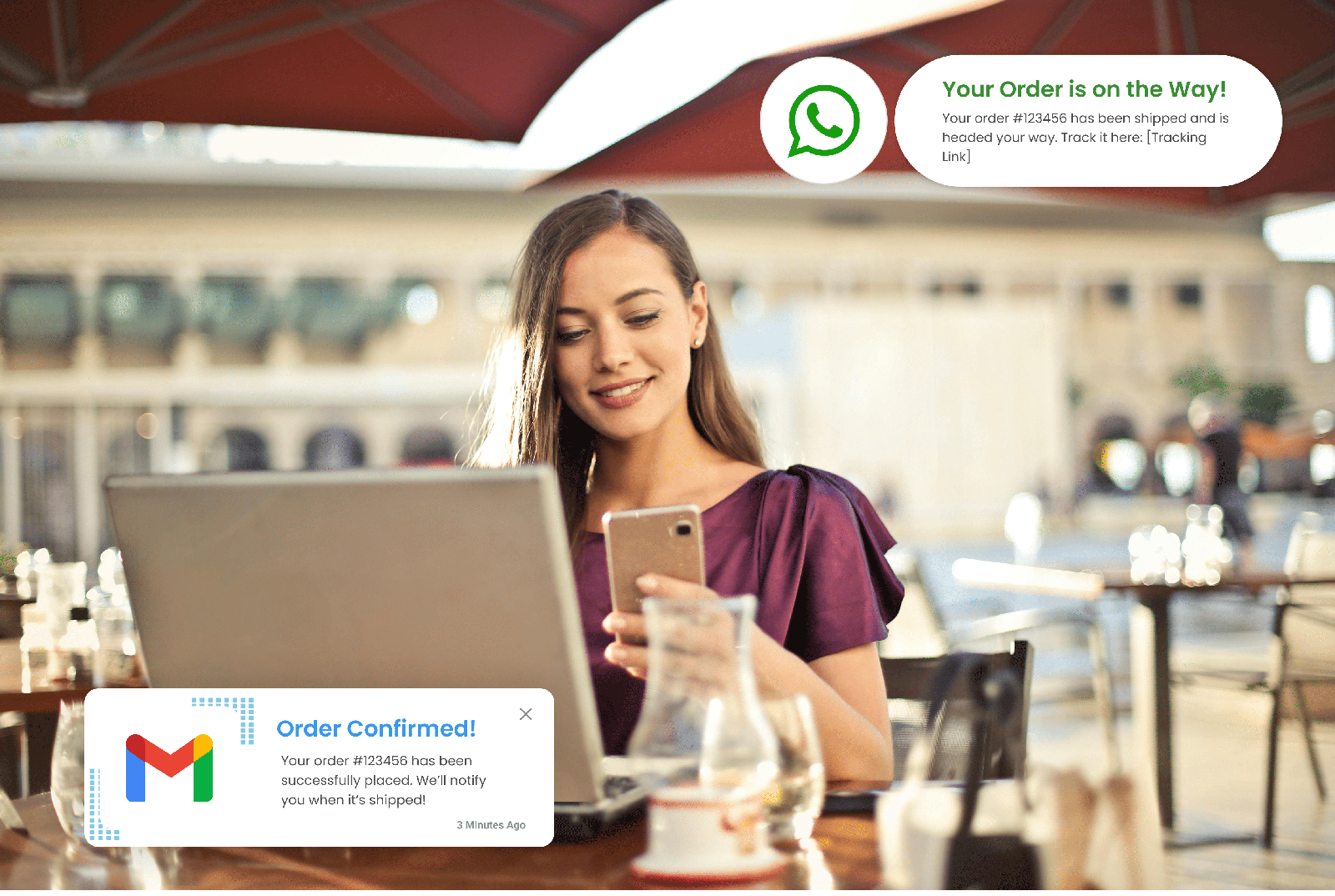
Without planned routes, drivers:
A few wasted minutes per stop doesn't look like much, but it repeats on every stop, every route and every day. It shows up as overtime, driver fatigue and the need for another vehicle sooner than you planned.
How to spot it: compare stops per driver hour and miles per stop across drivers and days. Big swings often point to routes planned by hand.
ScrollEngine plans the routes and gets them to your drivers from one place, so your team doesn't spend the morning juggling dozens of orders.
A wrong address, a missing item, the wrong time slot or a delivery promised outside your area leads to:
Human error is expensive, and it's common wherever orders are typed, copied or sorted by hand.
How to spot it: look for refunds and redeliveries caused by a wrong address, an order sent from the wrong store, or a delivery booked outside your zones.
ScrollEngine checks each address in the cart and shows only the delivery options that apply to it, which helps stop avoidable mistakes before the order is placed.
When delivery runs on spreadsheets, group chats, phone calls and several disconnected apps, you lose:
Miscommunication between the store, dispatch and drivers leads to rerouting, delays, missed orders and constant firefighting, which drains your team's energy as well as your budget.
How to spot it: add up the hours managers spend each week building routes, chasing drivers for updates and answering "has it gone out yet?" from the store.
ScrollEngine centralizes delivery operations so your team can grow without the chaos.
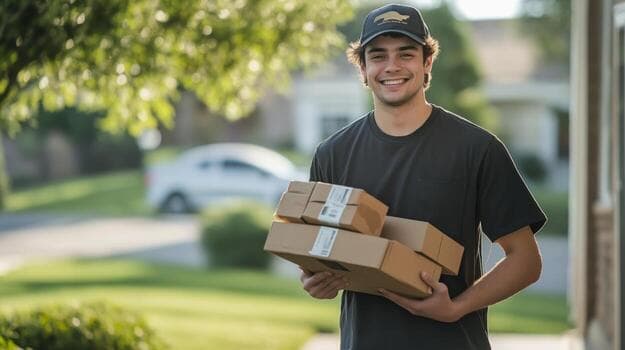
Fast, reliable delivery isn't just a service. It's a reason to buy from you again. According to AlixPartners' 2026 Home Delivery Survey, 52% of shoppers will stop buying from a retailer after just one or two missed deliveries. AlixPartners, 2026 Home Delivery Survey (Jun 2026)
Poor delivery management hurts:
In short, you don't lose one sale. You lose every future sale that customer might have made.
How to spot it: compare the repeat-purchase rate of customers whose delivery went wrong with those whose delivery went right.
By making delivery reliable and communication proactive, ScrollEngine helps merchants turn one-time buyers into repeat customers.
Pull the last 30 days and add up:
The total tells you which fix to start with. If you run several stores and want this measured from your own orders, a Promise Audit shows where your delivery promises break and what the broken ones cost.
Poor delivery management is more than a logistics problem. It quietly eats into your profit, your customers' trust and your long-term growth.
The good news is that every hidden cost has a fix. With the right tools, you can cut delays, automate customer updates, optimize routes and give customers a predictable experience after they buy.
Want to cut delivery costs, reduce "where is my order?" tickets and tighten your last-mile operation? Try ScrollEngine's Local Delivery + Pickup Date:S on the Shopify App Store, or book a demo.
Editor's note: first published November 28, 2025. Updated October 2, 2026: unsourced figures were replaced with cited research, and we added an audit table, ways to spot each cost and a method to put a number on them.
FAQ
They are the costs that never appear on a delivery invoice: second delivery attempts, refunds and credits, support time spent on "where is my order?" questions, driver hours lost to unplanned routes, order errors, and customers who don't order again after a bad delivery.
Add the second trip (driver time and fuel), any refund, credit or written-off goods, and the support time spent rescheduling. Multiply that by your failed deliveries per month to see what failures cost you. The Loqate survey on failed deliveries, cited in this article, gives a benchmark to compare against.
Tell customers before they need to ask: send an update when the order is out for delivery, link to a live tracking page with an ETA, and send another message when it arrives. For pickup orders, send a ready-for-pickup message the moment the order is packed.
Track first-attempt success rate, late deliveries, "where is my order?" contacts per 100 orders, stops per driver hour, miles per stop, refunds and credits tagged to delivery, and the repeat-purchase rate of customers who chose delivery.
From the blog
To reduce your Shopify local delivery costs, add up a typical week's driver time, vehicle, failed attempts…
To lower local delivery costs on Shopify, deliver to each zone on set days, offer store pickup…
Most Shopify stores need five local delivery tools: zones and rates, a date and time slot picker with limits…
Book a demo and we'll walk you through the platform set up like your stores, or request a quote for your locations and how you deliver.
2,000+ merchants trust us (as of Oct 2026)100+ merchants rate us 5.0 stars on the Shopify App Store (as of Oct 2026)