The Shopify Local Delivery Tools You Actually Need
Most Shopify stores need five local delivery tools: zones and rates, a date and time slot picker with limits…
Insights
Hyperlocal delivery fulfills orders from a nearby store to customers in the same neighborhood, ZIP or pin code, usually within a few hours, which suits groceries, flowers, meals, bakeries, pharmacies and everyday essentials.
Hyperlocal delivery is delivery from a nearby store, kitchen or small warehouse to customers in the same neighborhood, usually within a few hours of the order and sometimes within the hour. Because the product is already close to the customer, a local merchant can take the order, hand it to a driver and have it at the door the same day, across a small zone of a few ZIP or pin codes. It suits products where freshness and speed matter: groceries, flowers, meals, bakeries, pharmacies and everyday essentials.
This article explains what hyperlocal delivery means, how it works step by step, how it compares with last-mile, same-day and quick-commerce delivery, which business models exist, and how to set it up for your store.
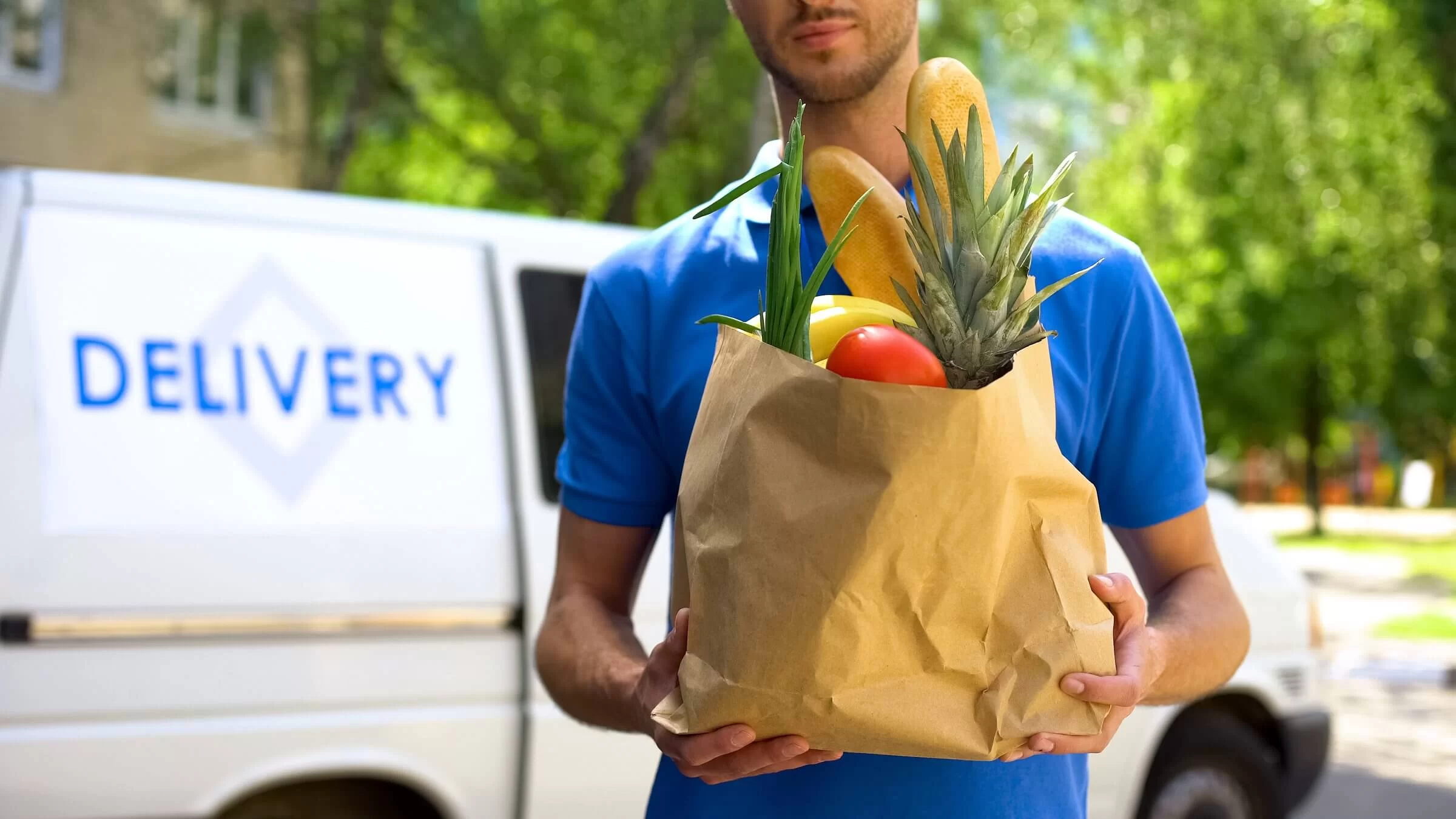
Hyperlocal delivery means fulfilling orders within a very small area: a neighborhood, a handful of ZIP or pin codes, or a cluster of delivery zones around each store. The customer orders from a merchant close by, and the order usually arrives the same day, often within a few hours, sometimes within the hour.
In short: local store → local customer → delivery within hours.
Example: a customer orders fresh flowers, medicine or groceries in the afternoon. A store a few streets away receives the order, packs it and delivers it before dinner. That speed, made possible by distance, is the essence of hyperlocal delivery.
The process is simple, but it depends on tight coordination:
With ScrollEngine's Local Delivery + Pickup Date:S app, Shopify merchants run this flow in one place: an address check in the cart, location rules, optimized routes, driver assignment (manually, through the driver job board or with automated dispatch Early access), and live customer notifications by email, SMS and WhatsApp.
These terms overlap, and people often use them interchangeably. Here is how they differ:
| Model | Delivery area | Typical speed | Typical products | Shipped from |
|---|---|---|---|---|
| Hyperlocal delivery | A neighborhood or a few ZIP or pin codes | Within hours | Groceries, meals, flowers, medicine, essentials | A nearby store or kitchen |
| Quick commerce | A small radius around a dark store | Minutes rather than hours | A limited range of everyday items | Dark stores |
| Same-day delivery | A city or metro area | Same day, for orders placed before a cutoff | Most retail products | Stores or local warehouses |
| Last-mile delivery | A city or a whole region | Same day to several days | Any parcel, including large goods | A carrier depot or a warehouse |
Last-mile is the broadest term: it describes the final leg of any delivery, from a depot, warehouse or store to the customer's door, wherever the order started. We cover that leg in overcoming last-mile delivery challenges. For the city-wide version of fast delivery, see same-day delivery solutions compared, and for the minutes-not-hours model, read can we build quick commerce on Shopify?
Hyperlocal delivery fits businesses where freshness, urgency or bulk make a long trip impractical:
One example ScrollEngine has published: HomeRun, in Bengaluru, India, promises building materials, tools and hardware at the door in 60 minutes or less. Its own fleet runs on ScrollEngine for live driver tracking, dispatch, route optimization and automatic customer updates.
Market-size estimates for "hyperlocal" vary widely, because analysts define it differently. The measured markets around it show where it is heading:
Both point the same way: shoppers expect everyday items within hours or a day, and that promise is easiest to keep from stock that is already close to them.
There are six common models:
A business delivers from its own store or kitchen with its own drivers. It keeps full control of timing, handling and the customer experience.
A retailer with several stores sends each order to the nearest branch that has the items, so every store serves its own neighborhood.
Customers order online and collect from a nearby store at a time they choose. There is no driver at all, which makes it the cheapest way to serve local customers fast.
The store offers both home delivery and pickup from the same stock and lets the customer choose.
A third-party platform lists many stores, takes the orders and supplies the people who deliver them. Instacart, for example, delivers orders from local grocers and other retailers' stores (Instacart, as of Oct 2026). Stores usually pay the platform a fee and give up some control of the customer relationship.
A company runs small, closed-to-the-public warehouses close to customers, stocked for very fast delivery of a limited range.
ScrollEngine supports the single-store, multi-store, store-pickup and hybrid models for Shopify merchants. It isn't a marketplace or a courier network: you deliver with your own drivers, under your own brand.
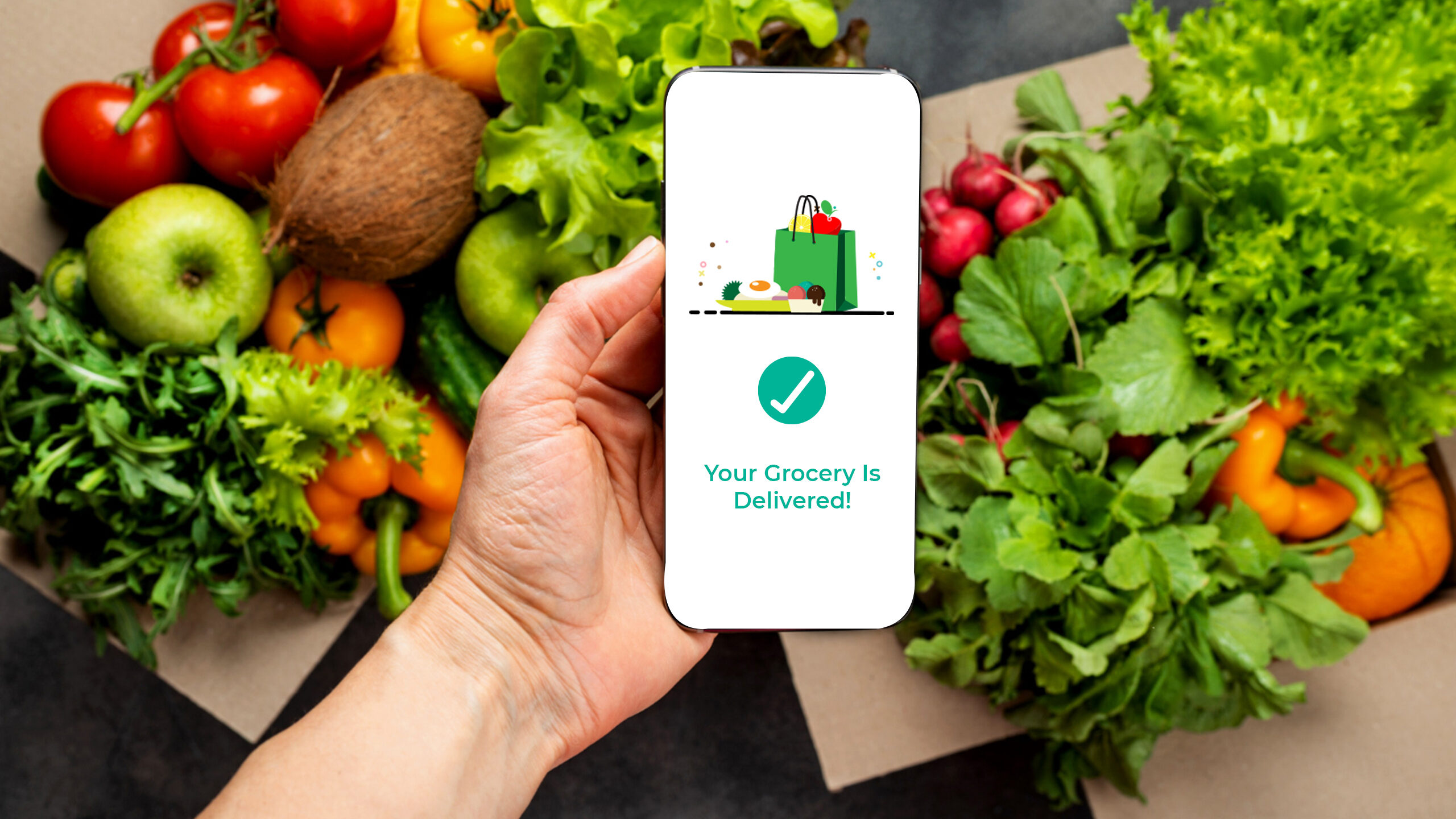
ScrollEngine's Local Delivery + Pickup Date:S app gives Shopify merchants the tools for each step:
See how the pieces fit on our local delivery page.
Hyperlocal delivery turns a store's biggest advantage, being close to its customers, into speed that distant warehouses struggle to match. Customers want local products delivered quickly, and businesses that can promise a delivery window and keep it will win their repeat orders.
With ScrollEngine's Local Delivery + Pickup Date:S, Shopify merchants can offer fast, reliable hyperlocal delivery, run their own drivers efficiently and give customers real-time visibility.
👉 Install ScrollEngine's Local Delivery + Pickup Date:S app on the Shopify App Store.
FAQ
Last-mile delivery is the final leg of any delivery, from a carrier's depot or a warehouse to the customer, and can take a day or more across a whole city or region. Hyperlocal delivery is a kind of local delivery where the order starts at a store or kitchen in the customer's own neighborhood and arrives within hours.
Quick commerce is a fast form of hyperlocal delivery. Quick-commerce companies run small dark stores stocked with a limited range of everyday items and promise delivery in minutes rather than hours. Hyperlocal delivery is the broader idea: any nearby merchant delivering to its neighborhood within hours, from its own store.
A florist that delivers same-day bouquets across a few nearby ZIP codes, a bakery delivering morning orders to its neighborhood, or a pharmacy delivering within the hour. HomeRun in Bengaluru, India, promises building materials, tools and hardware at the door in 60 minutes or less, delivered by its own fleet running on ScrollEngine.
Small enough that a driver can leave the store, deliver and return within the delivery window you promise. Start with the ZIP or pin codes closest to each store, watch how long real routes take in your busiest hours, and widen the zone only when you're delivering on time.
Yes. As of October 2026, Shopify's built-in local delivery lets you set a delivery area by postal code or by a distance from your location. To add delivery time slots with capacity limits, multi-stop routes for your own drivers, a driver app with proof of delivery and live tracking, merchants add a local delivery app such as ScrollEngine.
From the blog
Most Shopify stores need five local delivery tools: zones and rates, a date and time slot picker with limits…
ScrollEngine, our app, does the whole job in one app: delivery slots at checkout…
Poor delivery management costs far more than fuel and driver pay: second attempts, refunds…
Book a demo and we'll walk you through the platform set up like your stores, or request a quote for your locations and how you deliver.
2,000+ merchants trust us (as of Oct 2026)100+ merchants rate us 5.0 stars on the Shopify App Store (as of Oct 2026)