How to Fix Shopify Local Delivery for Online Stores
To fix Shopify local delivery, find where it breaks: checkout, scheduling, routing…
Insights
Poor local delivery and pickup hurts your brand because customers blame the store, not the driver. Late or missed orders and pickups that aren't ready cut repeat purchases, invite bad reviews and flood support with WISMO tickets.
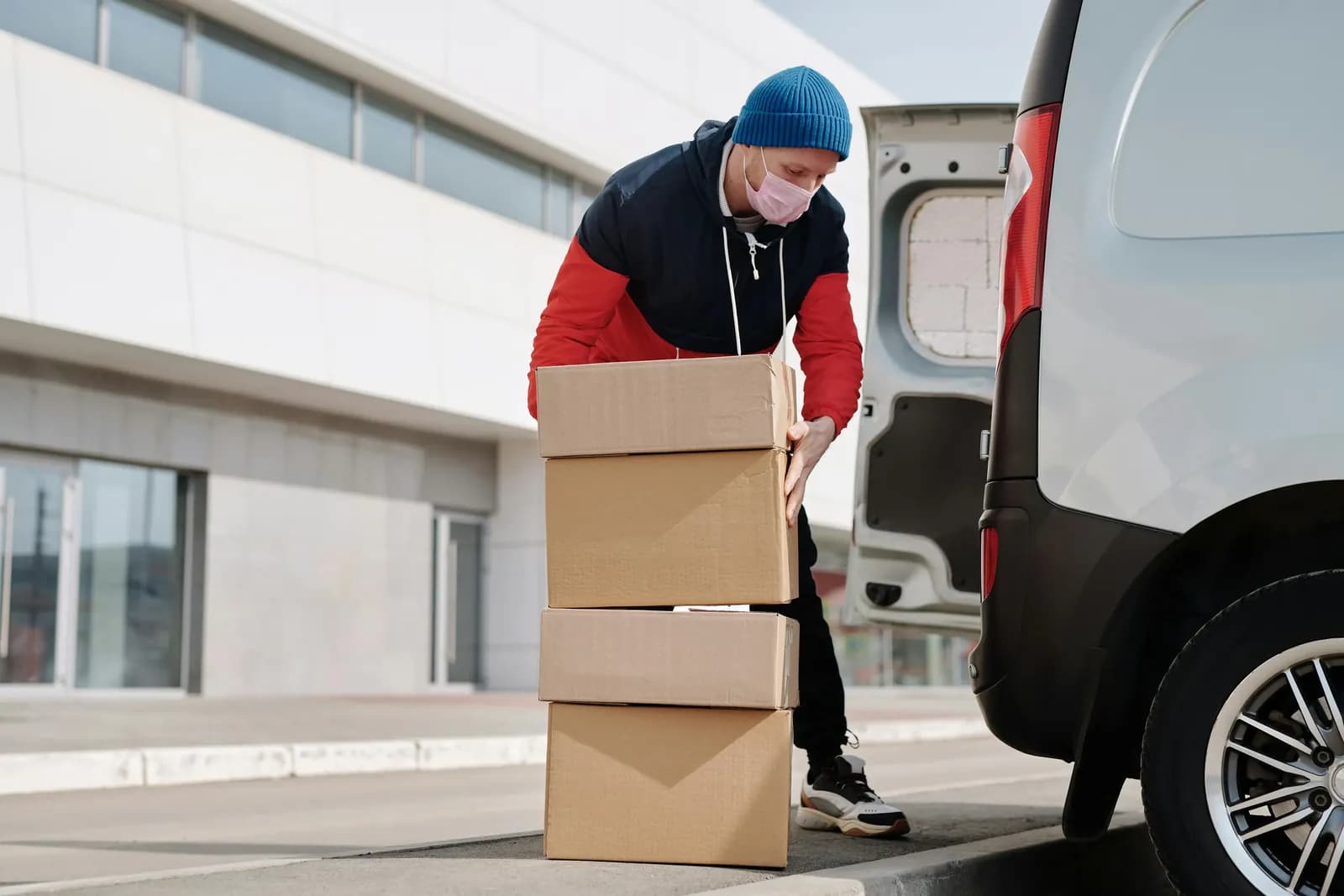
Poor local delivery and pickup hurts your brand because customers judge the store, not the driver. A late or missed delivery, a pickup order that isn't ready, or days of silence after checkout undo the work your website, products and marketing did to win the order. The damage shows up as lost repeat purchases, harsher reviews and a support inbox full of "Where is my order?" questions.
For most Shopify stores, the customer journey doesn't end at checkout. It ends when the order is in the customer's hands, and that's the part of the experience brands often control least.
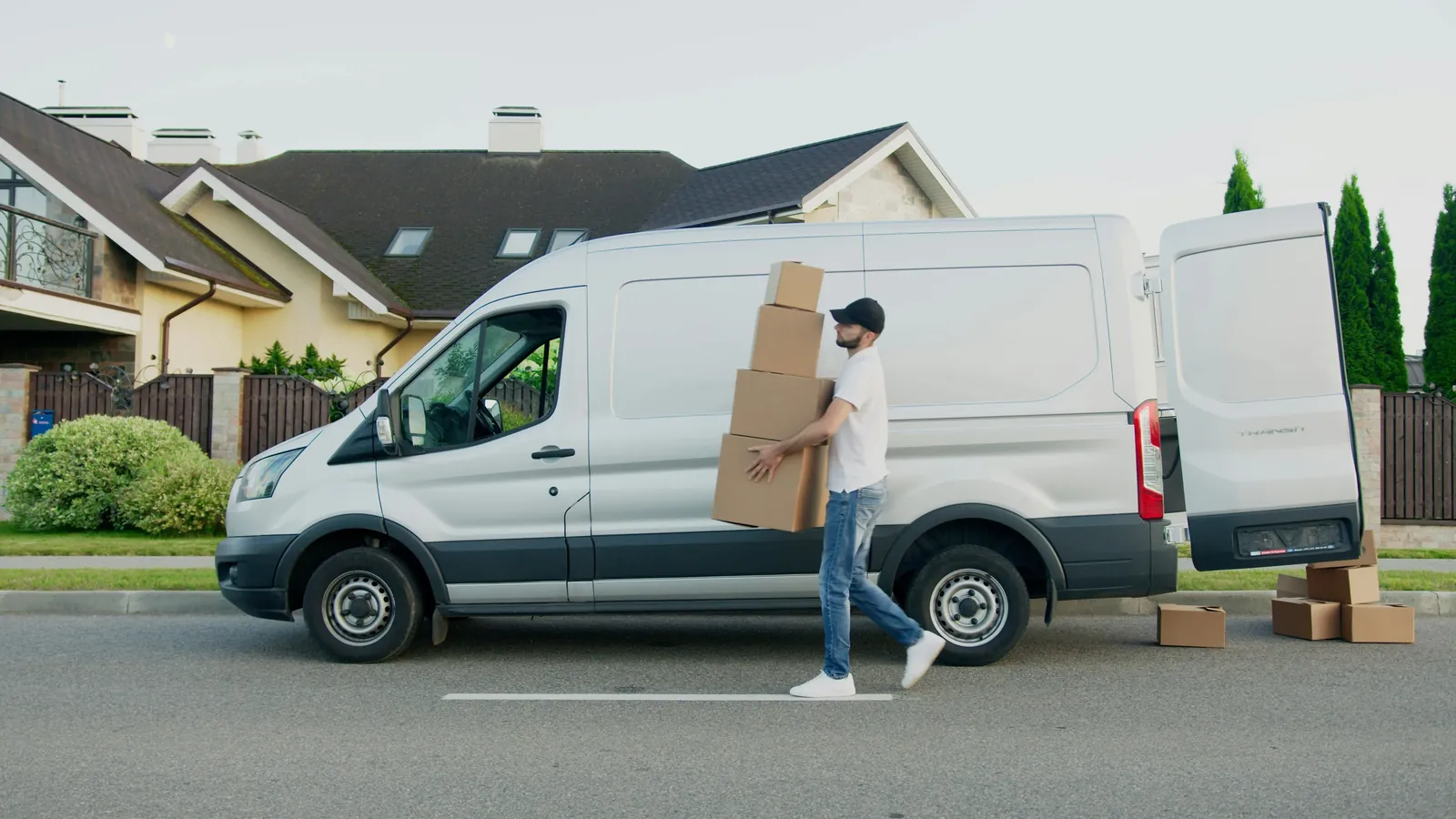
Delivery is an emotional stage of the buying journey. The customer has paid and is waiting; when the order arrives late or not at all, the frustration feels personal, and it lands on the name on the confirmation email. According to AlixPartners' 2026 Home Delivery Survey, nearly 90% of shoppers say a late delivery weakens or ends their relationship with the retailer, even after an apology. AlixPartners, 2026 Home Delivery Survey (via Mondaq) (Jun 2026)
It also doesn't take many failures. According to AlixPartners' 2026 Home Delivery Survey, 52% of shoppers will stop buying from a retailer after just one or two missed deliveries. AlixPartners, 2026 Home Delivery Survey (Jun 2026) On Shopify, where the next store is one search away, reliability is how you keep the customers your marketing paid to win.
"Poor delivery" isn't one problem. Customers experience it in specific moments, on both delivery and pickup orders.
Delivery failures:
Pickup failures:
The most expensive cost is the next order that never comes. A customer acquired through ads or promotions often becomes profitable only when they buy again, and a bad delivery makes that second order less likely. According to AlixPartners' 2026 Home Delivery Survey, more than 85% of consumers say a poor delivery experience reduces their willingness to buy again. AlixPartners, 2026 Home Delivery Survey (via Mondaq) (Jun 2026)
Local stores live on local reputation. A delivery that went wrong becomes a review, a post in a neighborhood group or a story told to friends, and those reach exactly the nearby customers you deliver to. A great website can't outrun a reputation for unreliable delivery.
"Where is my order?" (WISMO) is the clearest sign of a broken delivery experience: customers ask it when they've lost track of their order. Every ticket takes time away from your team, and every one comes from a customer who is already anxious. DigitalGenius customer data from 2023 shows that around one in five e-commerce support queries asks "Where is my order?", rising to up to 40% at peak (vendor data). DigitalGenius, What is a normal WISMO rate (Mar 2023), vendor data
Redelivery trips, refunds, replacement orders and the staff time spent chasing drivers and calming customers rarely show up as a single cost, but they eat margin on every failed order. The hidden costs of poor delivery management breaks them down.
Most delivery and pickup problems come from gaps in the workflow, not from bad intentions. These five steps close the common gaps.
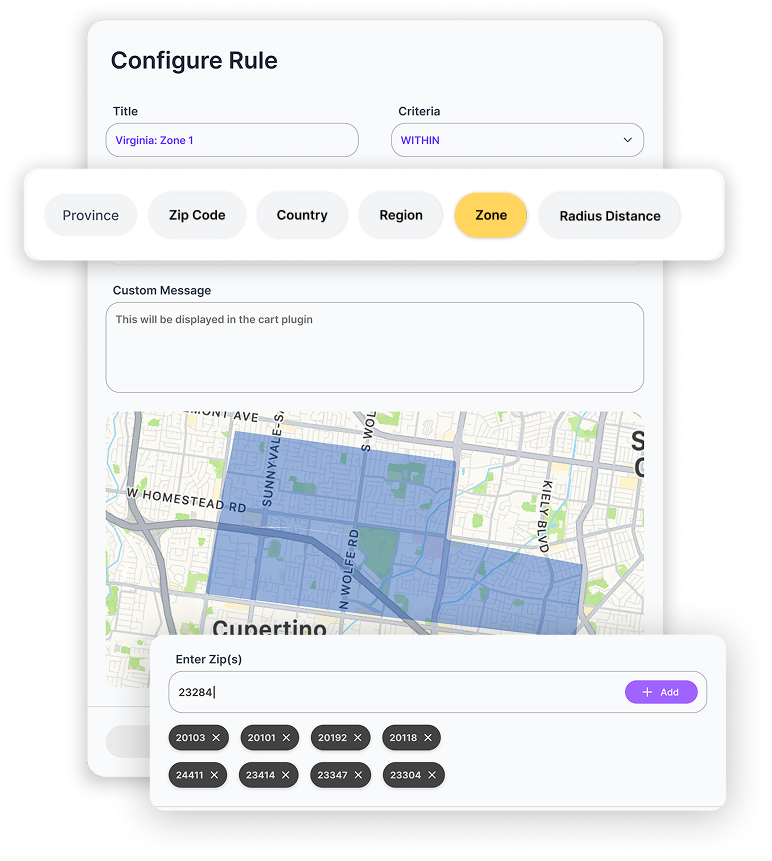
Brand damage starts with a promise you can't deliver. AlixPartners estimates that more than 20% of demand is at risk when delivery timing expectations are not met (2026 Home Delivery Survey, modelled estimate). AlixPartners, 2026 Home Delivery Survey (Jun 2026), modelled estimate Let customers choose a delivery date and time slot with a delivery date picker, set a capacity limit for each slot that matches what your drivers can actually run, and check the address at checkout so customers only see the delivery options available for their address.
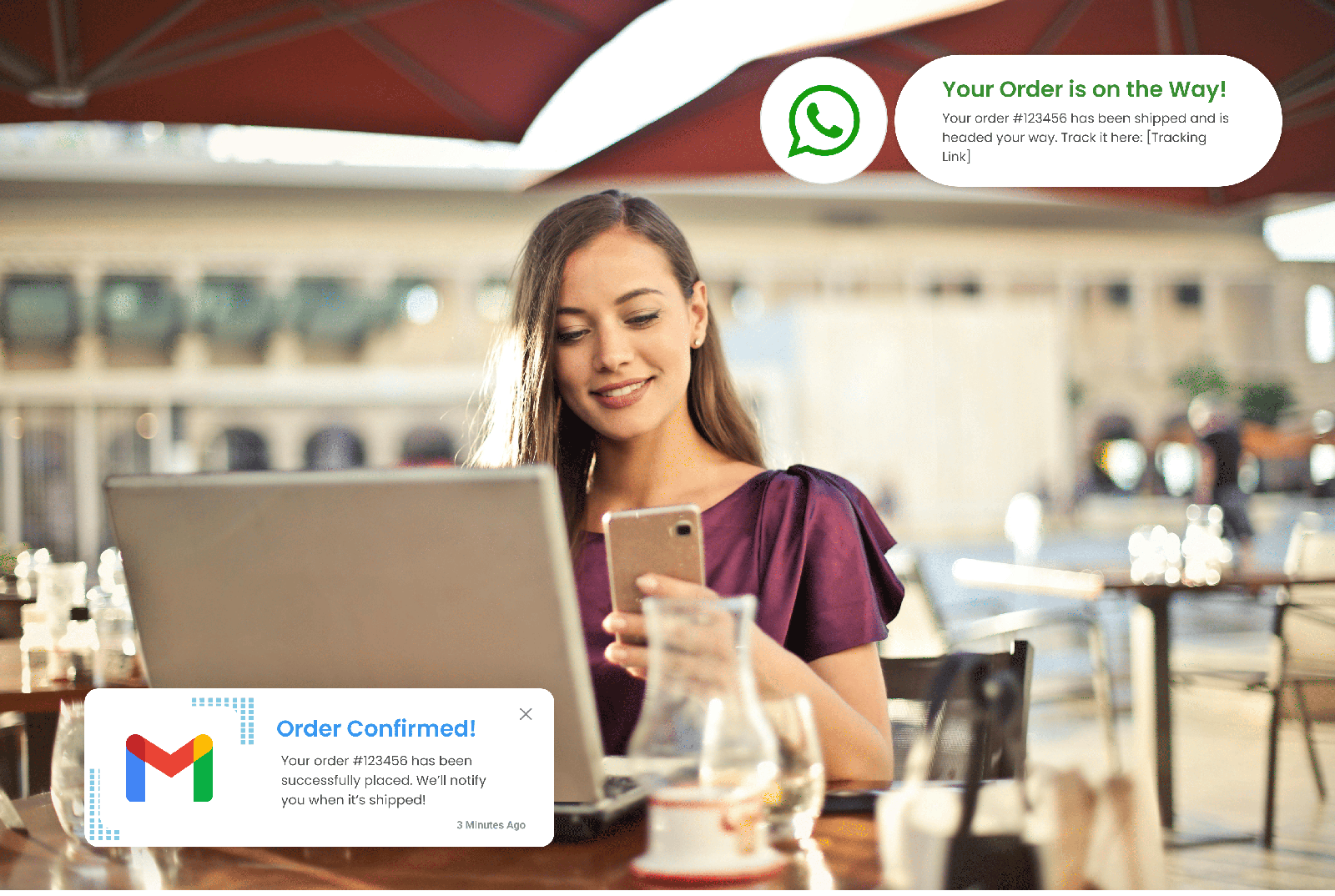
Proactive updates are how you stop the WISMO cycle. With ScrollEngine, an automatic email, SMS or WhatsApp update goes out as the order moves (for example, out for delivery and delivered), with a link to a branded live tracking page. Customers stay informed, and your team gets its time back. Delivery transparency: how real-time tracking builds customer trust lays out what to send and when.
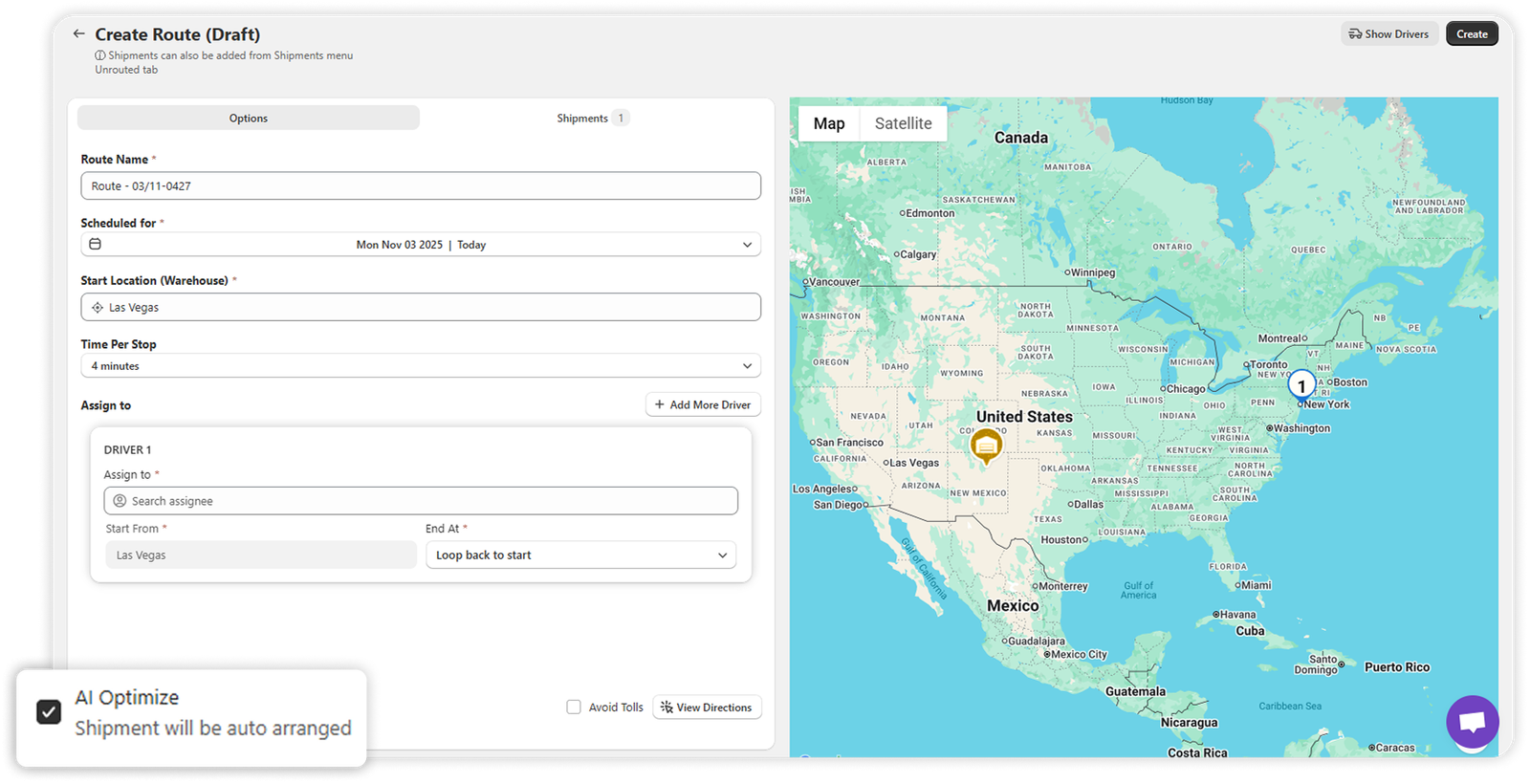
Manual planning is a recipe for late windows. Route optimization builds multi-stop routes for several drivers at once, around time windows, vehicle capacity and shifts, so each route is planned to reach customers inside the windows they booked. The route planner shows how it works.
Pickup is part of your brand too. Give customers pickup slots with a limit per slot so the counter doesn't flood, a store finder with drive distance and time, and a ready-for-pickup message only once the order is packed. Only offer pickup at stores that stock the items in the cart, and show store hours clearly. Store pickup covers the setup.
Drivers need tools to succeed: a driver app with the route, order details and proof of delivery by photo, signature or note. Alerts that flag a delivery at risk of running late let your team warn the customer first. When an order fails anyway, reschedule it quickly and tell the customer what happens next; how to stop missed Shopify local deliveries covers prevention and recovery step by step.
Delivery and pickup are the final, and often the most memorable, chapter of your brand story. Make that chapter look and sound like you:
The cost of poor delivery is spread across lost orders, reviews and support time, so it's easy to underestimate. Reliable delivery is one of the few brand investments customers notice on every single order.
Ready to stop the WISMO cycle and build a more reliable workflow? Try Local Delivery + Pickup Date:S on the Shopify App Store.
FAQ
It weakens it quickly. Shoppers rarely separate the driver from the store, so a late or missed order reads as your brand's failure, even when a courier made the trip. The AlixPartners survey figures cited in this article show how few customers give a second chance after a bad delivery.
Because the store made the promise. The customer chose your brand, paid you and got your confirmation email. Whether a staff driver or a courier made the trip, a late or missed order breaks a promise your store made.
WISMO stands for "Where is my order?", the support question customers ask when they can't see their order's status. Each one takes staff time to answer and signals a customer who is already anxious. Proactive updates and a live tracking link answer it before it's asked.
Let customers book a pickup slot instead of turning up at random, limit how many orders each slot takes, send a ready-for-pickup message only when the order is packed, show your store hours and pickup point clearly, and only offer pickup at stores that stock the items in the cart.
Contact the customer quickly, explain what happened, offer a new delivery date and slot or store pickup, and confirm the new plan in writing. Then record why it failed, so the same cause doesn't repeat.
From the blog
To fix Shopify local delivery, find where it breaks: checkout, scheduling, routing…
To stop missed Shopify local deliveries, let customers book a delivery window…
Poor delivery management costs far more than fuel and driver pay: second attempts, refunds…
Book a demo and we'll walk you through the platform set up like your stores, or request a quote for your locations and how you deliver.
2,000+ merchants trust us (as of Oct 2026)100+ merchants rate us 5.0 stars on the Shopify App Store (as of Oct 2026)