
Delivery failures hurt customer trust, increase costs, and lower retention. Learn how Shopify brands can prevent delays, WISMO, and errors with smarter delivery workflows.
For most Shopify merchants, the customer journey doesn’t end at checkout — it ends the moment the order arrives safely, on time, and exactly as promised. And yet, “delivery” is often the part brands have the least control over. A single missed delivery window, a wrong address, or a lack of updates can undo the entire shopping experience instantly.
In 2025, customer expectations are higher than ever. Fast shipping, accurate ETAs, and real-time updates aren’t “nice to have” — they’re the baseline. When deliveries fail, customers don’t blame the driver, carrier, or weather. They blame the brand.
Let’s explore how delivery failures quietly damage brand perception, increase costs, and reduce customer loyalty — and what Shopify merchants can do to prevent them.
Delivery is the most emotional stage of the buying journey. Customers have paid money, they’re waiting, and they want certainty.
When a delivery goes wrong — late arrival, incorrect item, missed attempt, no notification — it creates frustration that directly impacts the brand, not the logistics partner.
Research shows that more than 70% of customers won’t return after a poor delivery experience.
Delivery failures create:
A great website experience can’t compensate for a disappointing delivery.
Every failed or incorrect delivery triggers a chain reaction:
These are hidden costs that quietly erode margins.
Even a 3–5% failure rate can turn profitable orders into losses — especially for local delivery merchants where speed and precision matter most.
WISMO (“Where is my order?”) is one of the biggest symptoms of delivery failure.
Customers send WISMO messages when:
Each WISMO inquiry costs time, money, and operational bandwidth — and it signals a broken post-purchase experience.
Inconsistent communication is one of the top reasons customers switch brands.

Whether you promise same-day, next-day, or standard delivery, customers expect accuracy.
A missed ETA feels like a broken promise.
Even if the delivery only arrives a few hours later, the customer experience has already deteriorated. Failed ETAs reduce:
On Shopify, where competition is one click away, reliability is your true differentiator.
Wrong product delivered, damaged items, incorrect pickup slots, or delivery sent outside eligible zones are all preventable issues — yet they’re some of the most common.
Frequent errors cause:
Most brands underestimate how closely “delivery accuracy” is tied to long-term revenue.

Most delivery problems come from operational gaps — not the customer, not the driver, and not the fulfillment team.
Here’s how to eliminate them:
Email, SMS, and WhatsApp notifications dramatically reduce WISMO and build trust.
Scrollengine merchants use automated notifications for:
This alone can reduce support tickets by up to 60%.
.png)
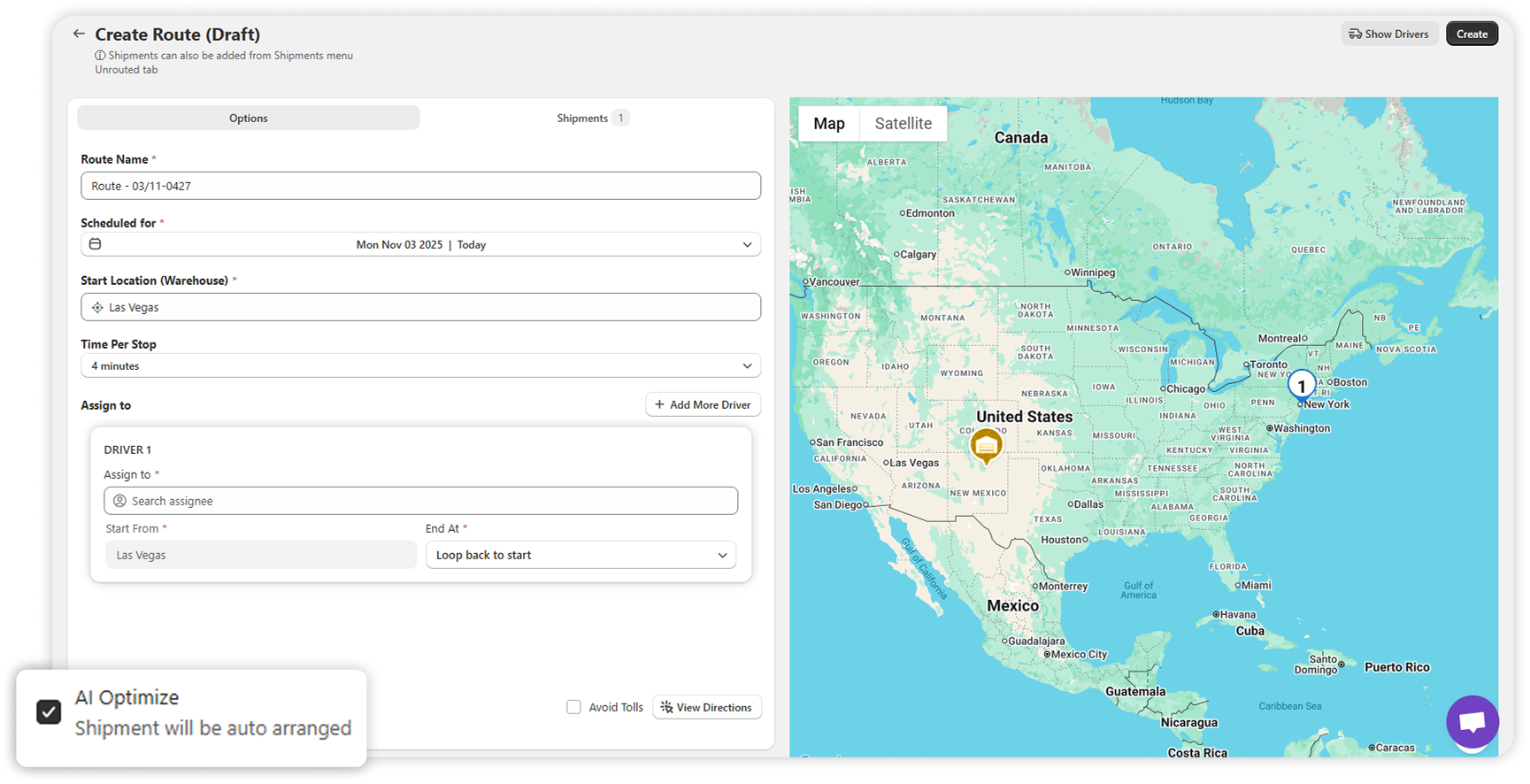
Manual routing leads to delays, inefficiency, and missed windows.
AI route optimization helps ensure:
Scrollengine optimizes multi-stop routes instantly — even for large batches.
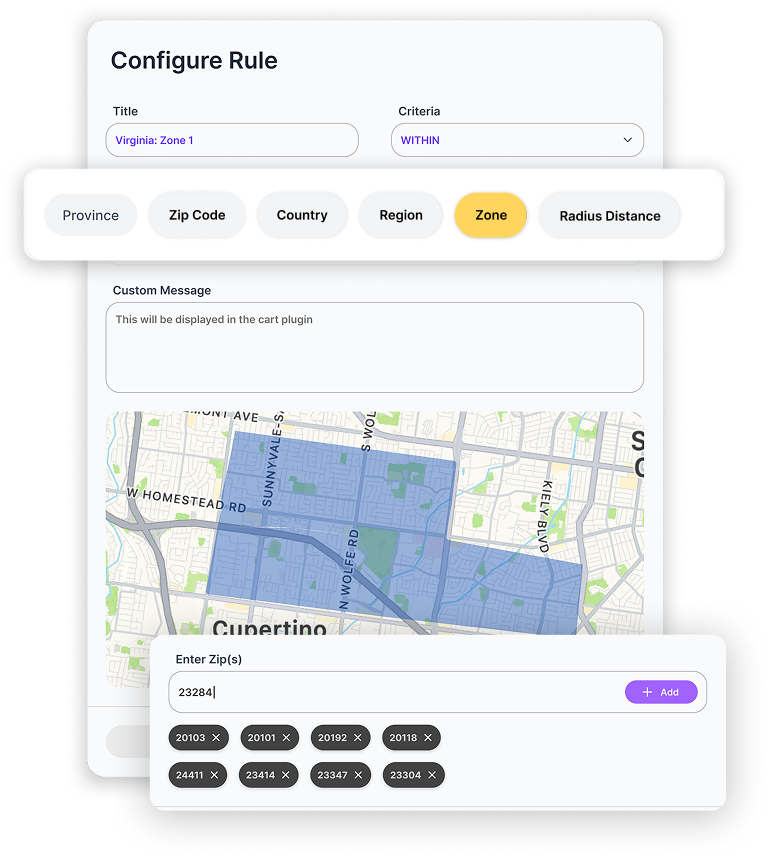
Many delivery errors happen when customers select delivery methods that are not available in their region.
Scrollengine solves this with:
Customers only see accurate, eligible delivery options — preventing avoidable mistakes.
Operational visibility prevents small issues from becoming costly failures.
A centralized dashboard lets merchants:
Scrollengine’s dashboard provides real-time status, including map views and driver activity.

Delivery is no longer “fulfillment.”
It’s brand experience, customer loyalty, and long-term revenue.
Poor delivery management silently costs Shopify merchants more than they realize — from refunds and returns to lost customers and damaged reputation. But with the right tools, merchants can improve accuracy, boost speed, and create a post-purchase experience that keeps shoppers coming back.
If you want a more reliable, automated, customer-friendly delivery workflow, Scrollengine can help.
Improve delivery accuracy, reduce WISMO, and offer a flawless customer experience — all inside Shopify.
👉 Try Scrollengine’s Local Delivery + Pickup – SE today.