
Learn how growing Shopify stores can simplify local delivery operations, reduce manual fulfillment challenges, and improve delivery efficiency with smarter workflows.
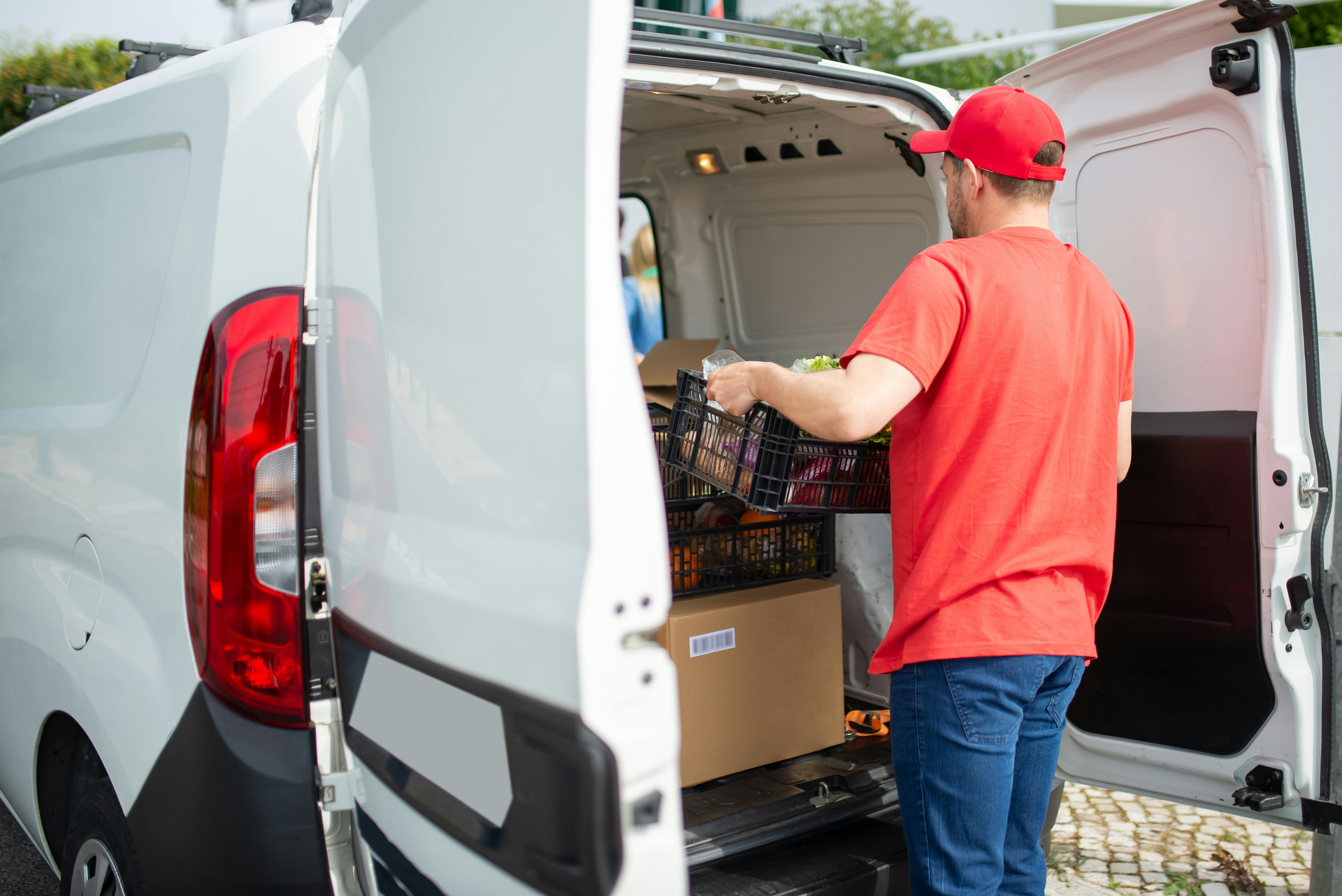
As ecommerce businesses grow, local delivery operations often become harder to manage than expected. What starts as a manageable workflow with a few daily orders can quickly turn into a time-consuming process involving manual coordination, delayed deliveries, routing confusion, and customer support issues.
For many Shopify merchants, scaling delivery operations is not just about handling more orders. It is about maintaining speed, accuracy, and customer satisfaction without creating operational chaos behind the scenes.
Businesses offering same-day delivery, scheduled delivery, or store pickup are under increasing pressure to provide a smooth post-purchase experience. Customers now expect accurate delivery windows, live updates, and faster fulfillment, even from smaller brands.
Without the right systems in place, local delivery can become one of the biggest operational bottlenecks for growing ecommerce stores.
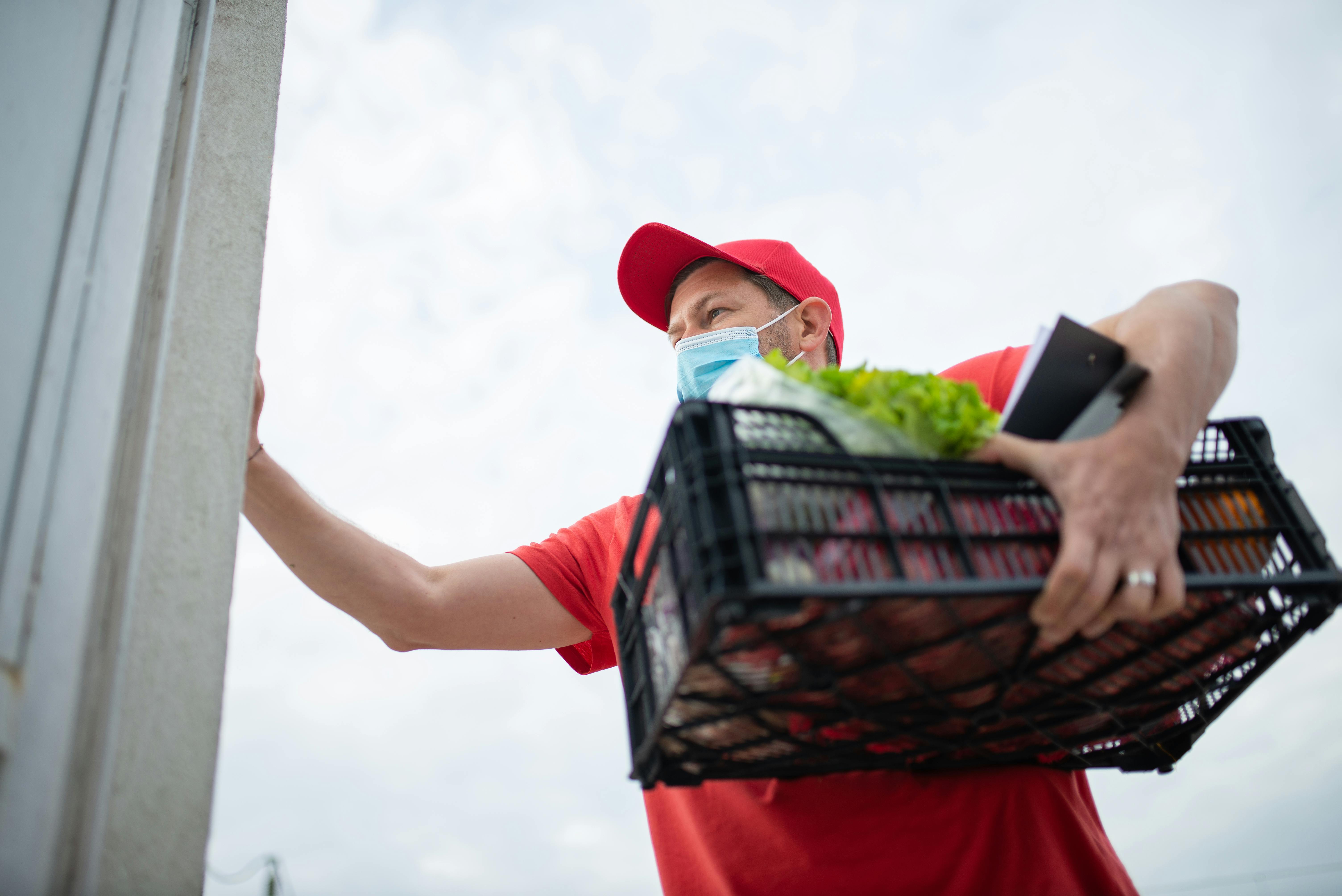
Many Shopify stores begin by managing deliveries manually. Orders are assigned through spreadsheets, delivery routes are planned manually, and customer communication happens across multiple tools.
This may work temporarily for smaller order volumes, but operational issues start appearing as demand increases.
Common challenges include:
As delivery zones expand and order volumes rise, manual coordination slows down operations and increases the risk of errors.
Growing brands need delivery systems that can adapt quickly without adding complexity for operations teams.
Many ecommerce businesses focus heavily on marketing, acquisition, and order growth, but local delivery operations often receive less attention until problems begin affecting customer experience.
A few operational gaps can create major inefficiencies:
Using separate tools for order management, routing, driver assignment, and customer communication creates unnecessary friction.
Teams waste time switching between platforms instead of managing deliveries efficiently.
Delivery operations rarely stay static throughout the day. New orders, cancellations, traffic conditions, and failed deliveries require flexibility.
Without automated workflows, these changes become difficult to manage in real time.
Customers increasingly expect live tracking and accurate delivery communication.
When businesses cannot provide delivery visibility, support teams often deal with repeated “Where is my order?” requests.
Many businesses assume scaling local delivery means hiring more drivers immediately. In reality, inefficient delivery planning is often the bigger issue.
Optimized delivery workflows can help businesses handle more orders without proportionally increasing operational overhead.
Delivery automation is not just about route optimization. It is about reducing manual effort across the entire fulfillment process.
For growing Shopify stores, automation can help:
When delivery operations become more centralized, teams can spend less time managing logistics manually and more time focusing on customer experience and growth.
One of the biggest advantages of using a Shopify-native delivery solution is operational simplicity.
Instead of relying on disconnected third-party systems, Shopify merchants can manage fulfillment directly within their existing workflows with Scrollengine.
This becomes especially important during high-volume periods when operational speed matters most.
Integrated delivery management helps businesses:
For ecommerce brands offering local delivery, the ability to streamline fulfillment inside Shopify can significantly reduce operational friction.
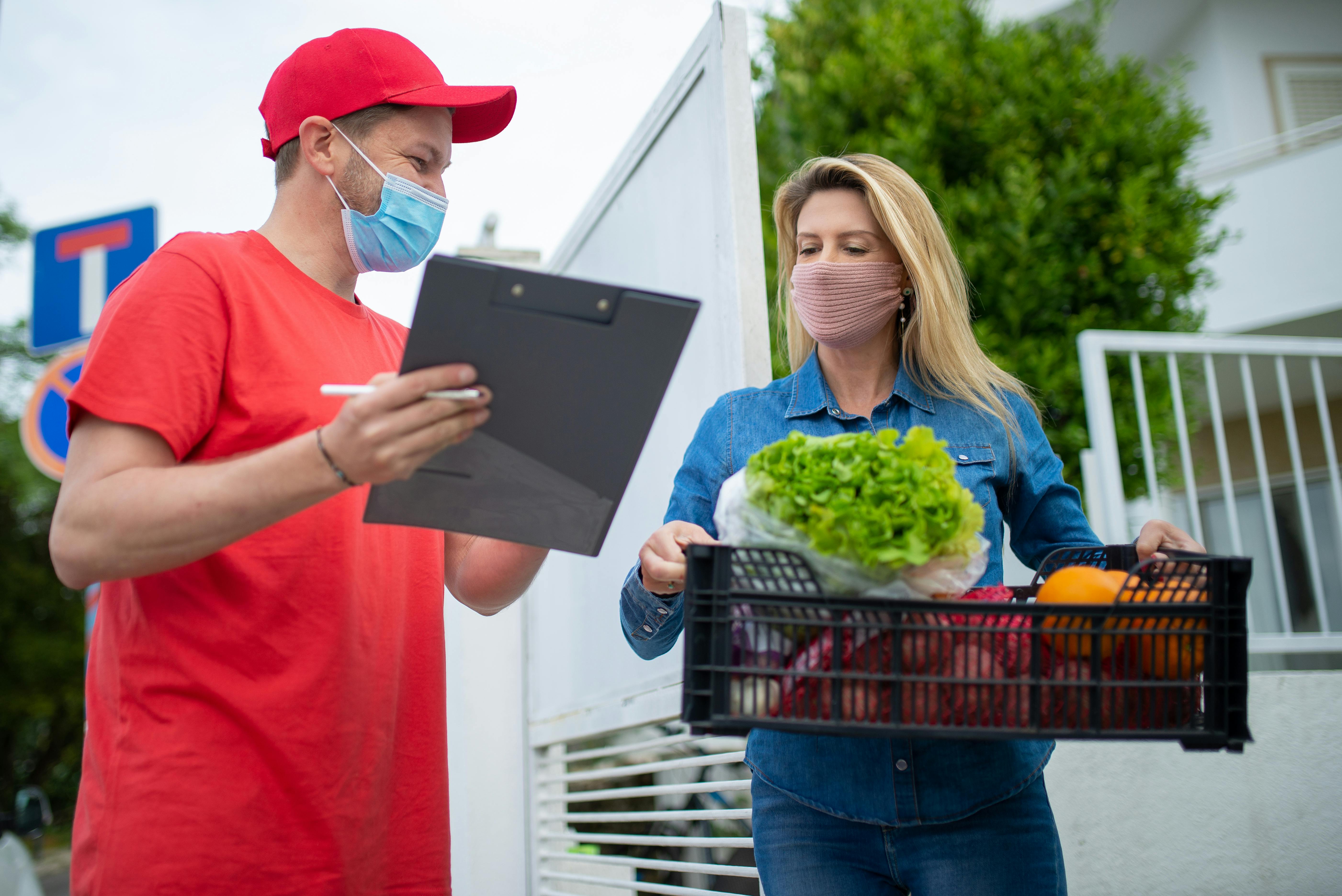
Fast shipping alone is no longer enough to retain customers. The delivery experience itself now plays a major role in customer satisfaction.
Clear communication, tracking links, accurate ETAs, reliable fulfillment, and smooth delivery coordination all contribute to stronger customer trust.
Businesses that simplify delivery operations internally are often able to create a better experience externally as well.
As local delivery expectations continue to rise, operational efficiency becomes a competitive advantage rather than just a logistics concern.
Growing Shopify stores need delivery operations that can scale alongside increasing order volumes.
Manual coordination may work early on, but long-term growth requires more efficient systems for managing local delivery and store pickup.
Simplifying delivery workflows can help businesses reduce operational overhead, improve fulfillment speed, and create a smoother customer experience without adding unnecessary complexity.
If you are looking to streamline local delivery and store pickup directly within Shopify, try Scrollengine Local Delivery + Pickup - SE.